What happened
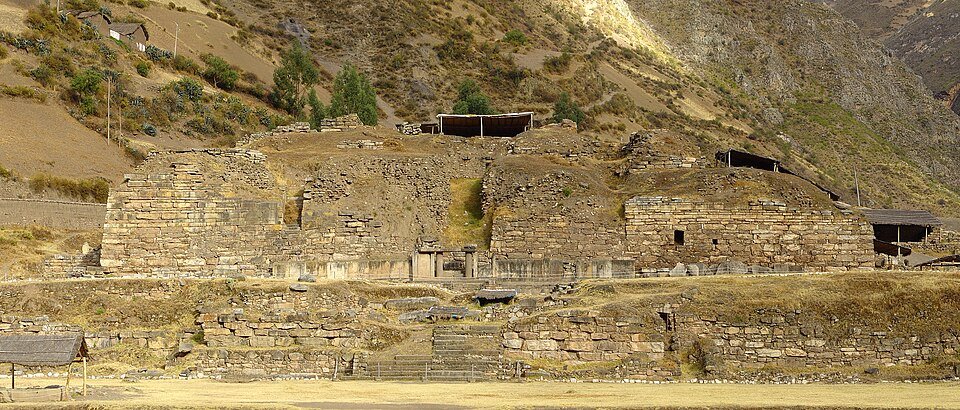
Centered on the temple of Chavín de Huántar in the northern highlands, the Chavín cult drew pilgrims and spread its imagery far beyond its home valley. It was not a state but a widely shared religious movement.
Background
Chavín art, full of fanged deities, felines, snakes, and birds of prey, appears on stone, textiles, ceramics, and goldwork across the region. Its influence marks a first great unification of Andean culture.
Consequences
As Chavín faded around 200 BC, the Andes split into distinct regional cultures such as the Moche and Nazca. Its religious and artistic legacy shaped Andean civilization for centuries.