What happened
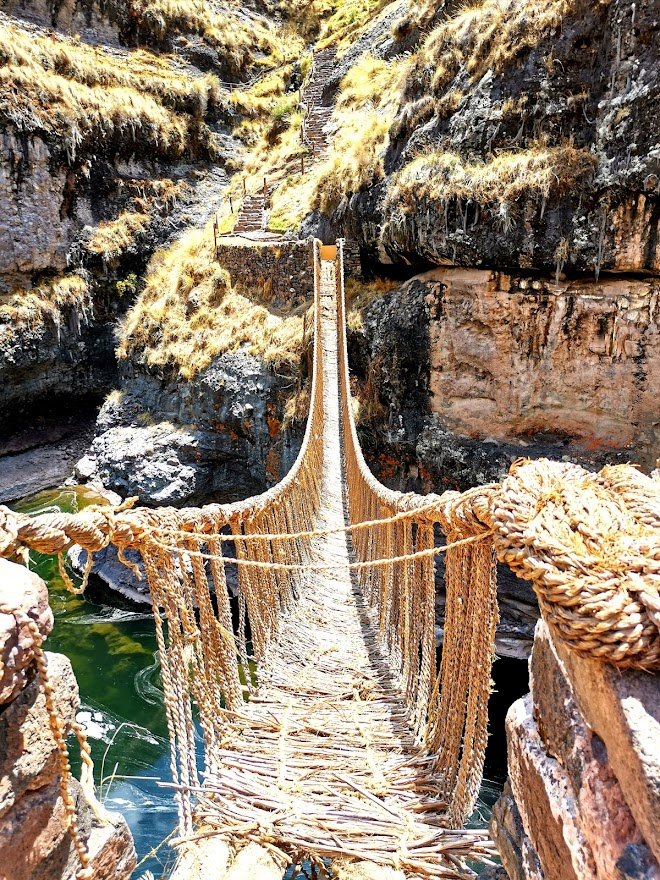
The network linked the empire from Colombia to Chile and Argentina with two main routes along the coast and the highlands, joined by many branches. It crossed deserts, mountains, and gorges, using stone paving, stairways, and rope suspension bridges.
Background
Along the roads stood way-stations and storehouses, and relay runners called chasquis carried messages at high speed. The system moved armies, goods, and officials and helped hold the realm together.
Consequences
Much of the network survives and parts are still used today. The Qhapaq Ñan is a UNESCO World Heritage Site and a monument to Inca engineering.