What happened
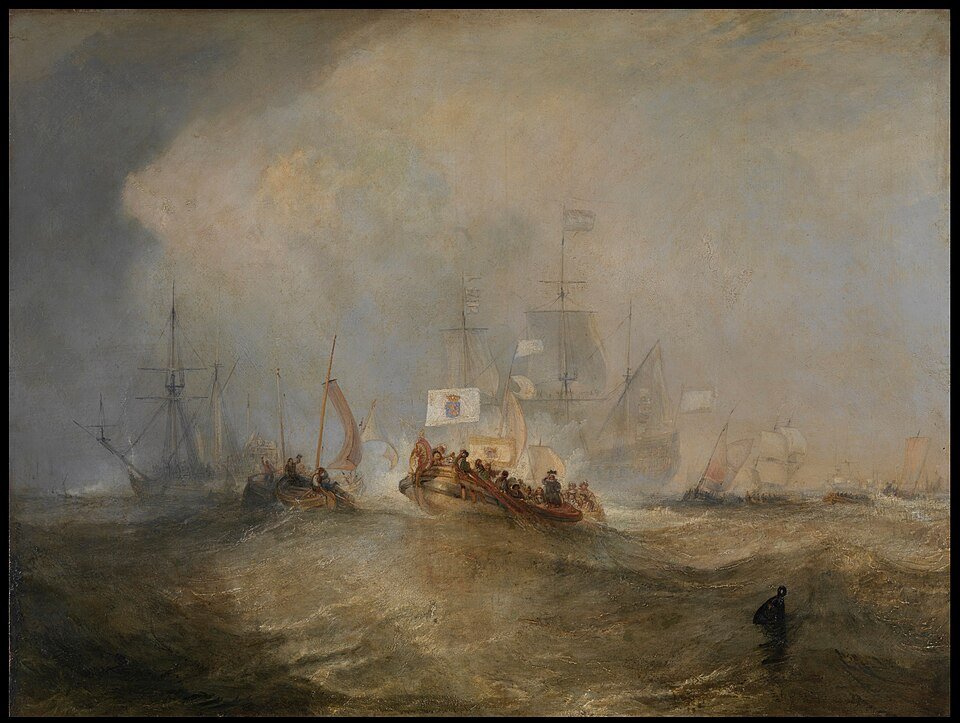
William landed at Torbay on 5 November 1688 with a Dutch army. James II’s forces melted away, and he escaped to France. A Convention Parliament declared the throne vacant and offered it jointly to William and Mary, on conditions set out in the Bill of Rights of 1689 — no royal suspension of laws, no taxation or standing army without Parliament, free elections and frequent parliaments.
Background
James II’s open Catholicism, his purges of office-holders, and the birth of a Catholic heir in June 1688 united Whig and Tory notables — the ‘Immortal Seven’ — behind an invitation to William, Mary’s husband and the Protestant champion against Louis XIV.
Consequences
In England the transfer was nearly bloodless, but it was fought out in Scotland and in Ireland, where William’s victory at the Boyne (1690) entrenched Protestant rule. The settlement — with the Toleration Act and, in 1701, the Act of Settlement — made England a parliamentary monarchy and pulled it into the European wars against France.