What happened
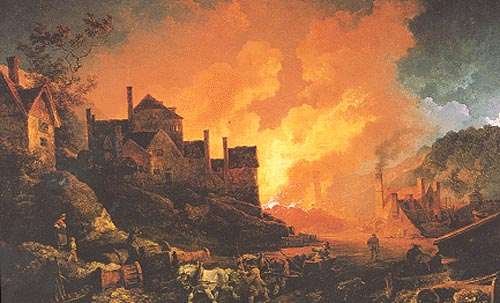
Mechanized spinning (Hargreaves’s jenny, Arkwright’s water frame) industrialized cotton; James Watt’s improved steam engine, developed with Matthew Boulton from 1775, freed factories from water power; coke-smelted iron and, from 1825–1830, the first public railways — Stockton & Darlington, then Liverpool & Manchester — bound the system together.
Background
Britain had coal and iron close together, expanding Atlantic and imperial markets, capital, canals, and a patent system — historians still debate the exact mix of causes. Cotton goods, previously imported from India, were the demonstration case of machine production.
Consequences
Cities and populations grew at unprecedented speed, with factory discipline, child labor, and slums prompting the Factory Acts and public-health reform; handloom weavers were ruined and Luddites broke machines. Industrialization spread to Europe and North America, permanently raising growth — and beginning fossil-fuel emissions on a modern scale.