Overview
Between c. 6000 and c. 3100 BC, Neolithic farming and herding communities settled along the Nile valley and the Delta. In Upper Egypt the Badarian culture (c. 4400–c. 4000 BC) was followed by the phases of the Naqada culture (c. 4000–c. 3100 BC), with growing towns such as Naqada and Hierakonpolis.
Key developments
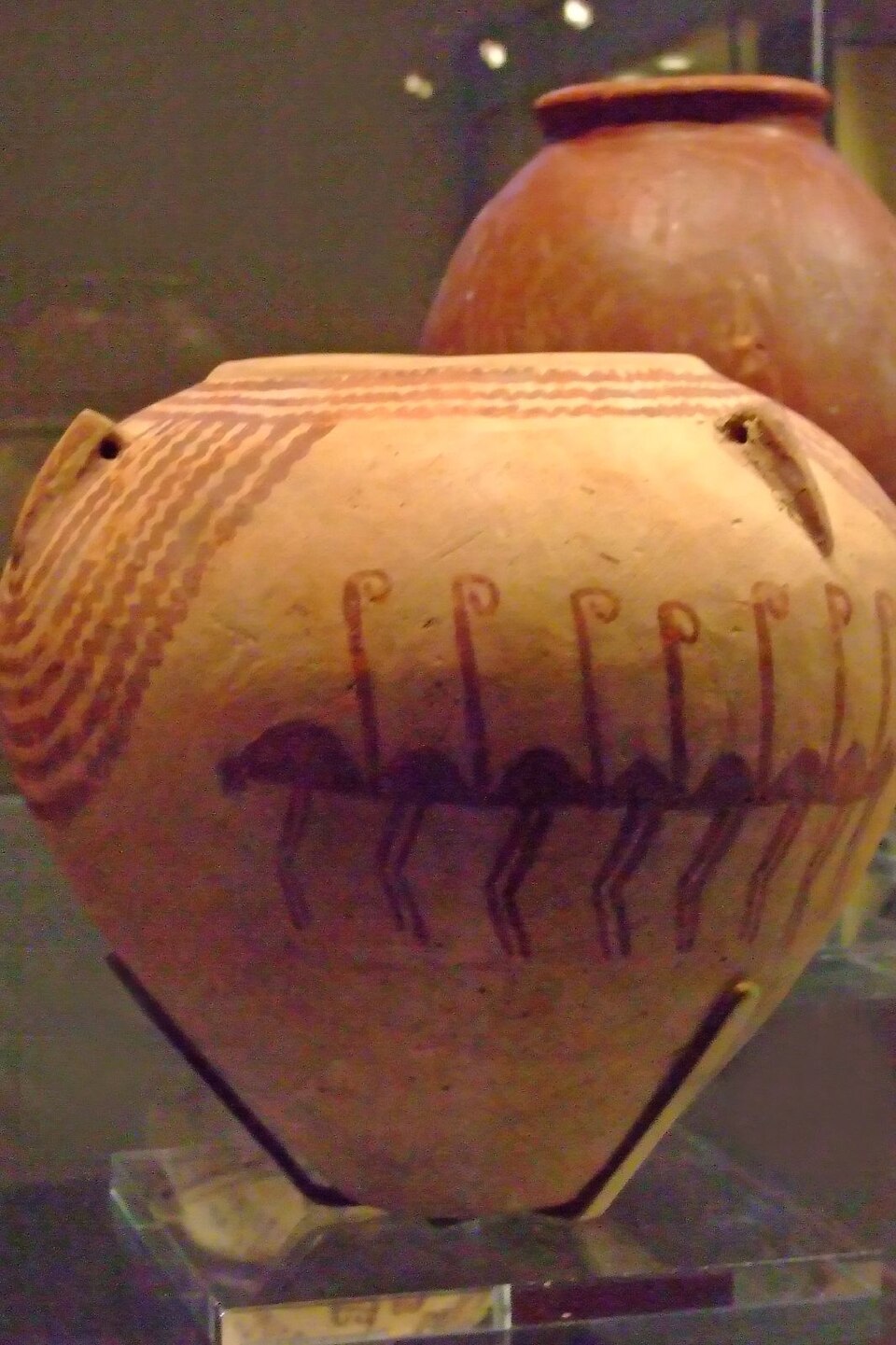
Craft specialization advanced, producing fine pottery, stone vessels, and cosmetic palettes, while long-distance trade linked Egypt with the Levant and Nubia. In the late 4th millennium BC, rival proto-kingdoms emerged in Upper and Lower Egypt. Hieroglyph-like signs on tags and pottery, such as those from tombs at Abydos, rank among the world’s earliest writing.
End and transition
The period ends with the political unification of Egypt c. 3100 BC, traditionally linked to Narmer. From there Egypt passed into the Early Dynastic Period.