Overview
Elam, c. 2700–539 BC, was the earliest civilization on the Iranian plateau, centered in the southwest on Susa and Anshan, in modern Khuzestan and Fars. Its written record begins with the Proto-Elamite tablets of c. 3100 BC, which remain undeciphered; later Elamite was written in cuneiform.
Key developments
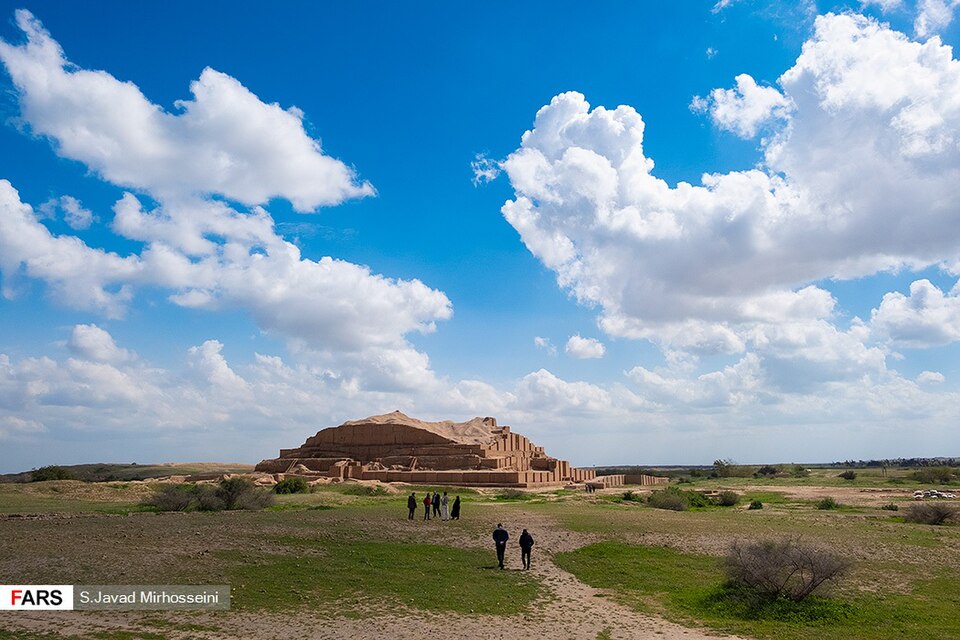
Elam’s history was one of long rivalry and exchange with Mesopotamia: Elamite forces sacked Ur around 2004 BC, and in the 12th century BC king Shutruk-Nahhunte carried off Mesopotamian trophies to Susa, including the stele of Hammurabi’s code, where French excavators found it in 1901. The ziggurat of Chogha Zanbil, built by king Untash-Napirisha in the 13th century BC, is among the best-preserved ziggurats anywhere.
End and transition
The Neo-Elamite period ended with the rise of the Medes and Persians: Susa was sacked by Assyria c. 646 BC, and Elam was absorbed into the Achaemenid Empire, with 539 BC and the ascendancy of Cyrus serving as the conventional close. Yet Elamite remained an administrative language of the empire, and Elam’s administrative traditions and the city of Susa passed directly into the Persian empires.