What happened
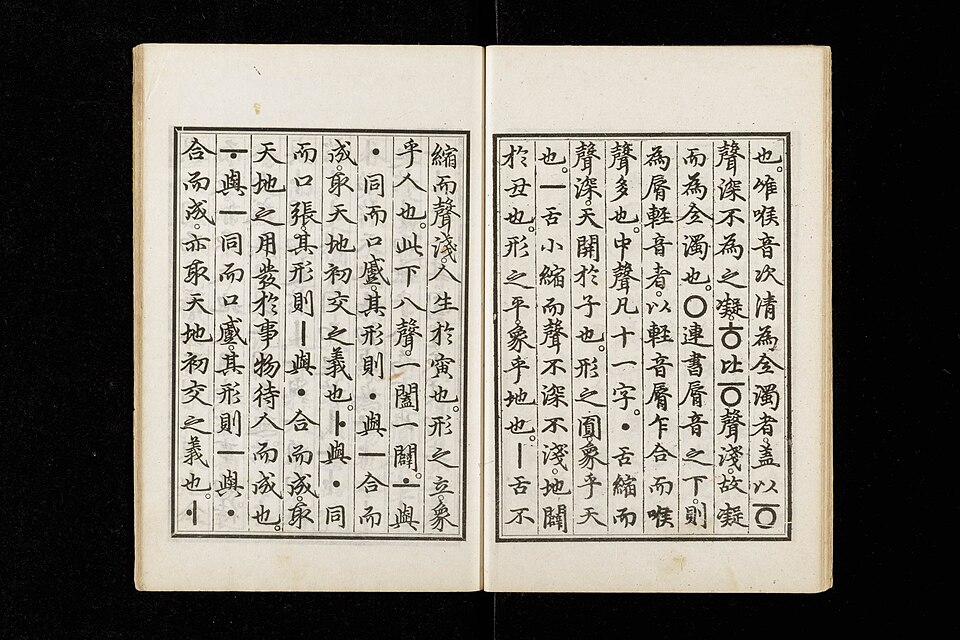
King Sejong created a new alphabet, Hunminjeongeum — “correct sounds for instructing the people.” It was completed in 1443 and promulgated in 1446 together with an explanatory volume, the Haerye, now inscribed in UNESCO’s Memory of the World.
Its letters model the speech organs, and it is often described by linguists as one of the most systematic scripts ever devised.
Background
The alphabet was designed so that ordinary people could learn it quickly — the Haerye postface claims a wise man can learn it in a morning. Confucian literati resisted, most famously in Choe Manri’s memorial. Hanja remained the prestige script for centuries, and Hangul became dominant only in the 20th century.
Consequences
Hangul laid the foundation of mass literacy and became the vehicle of modern Korean identity. October 9 is Hangul Day in South Korea.