Overview
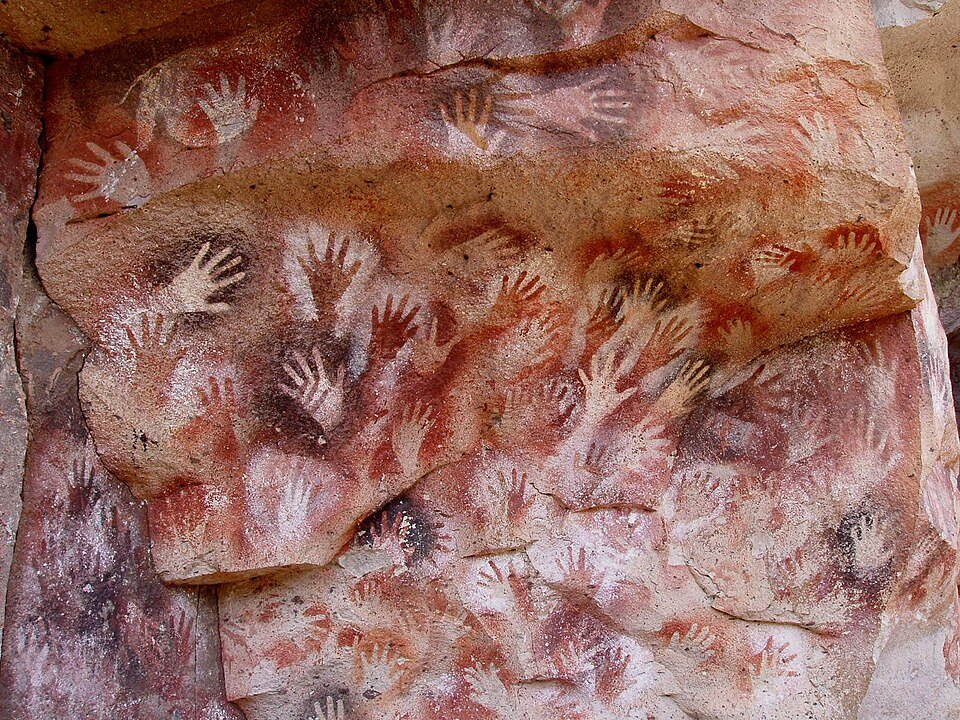
The first South Americans descended from peoples who had spread down from North America, reaching the far south of the continent remarkably quickly. They were mobile hunter-gatherers who adapted to environments from Andean highlands to Patagonian plains.
Key developments
Monte Verde in southern Chile, dated to about 14,500 years ago, shows people living on plants, seafood, and game earlier than the once-dominant Clovis-first model allowed. Distinctive fishtail projectile points spread across much of the continent in this era.
End and transition
As the Ice Age ended, the mobile hunting life gave way to the broader foraging of the Archaic period. The early peopling of the continent remains a subject of active research.