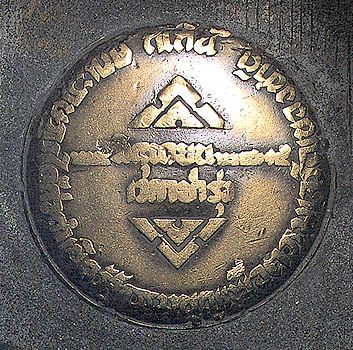
What happened
Before dawn on June 24, 1932, the People’s Party (Khana Ratsadon) — a small group of military officers and foreign-educated civilians, with Pridi Banomyong and Plaek Phibunsongkhram (Phibun) among its leaders — seized key points in Bangkok without bloodshed. King Prajadhipok (Rama VII), then at Hua Hin, accepted their demand for a constitution. A provisional charter followed on June 27, and the permanent constitution came on December 10, 1932.
Background
The Great Depression strained royal finances, forcing budget cuts and salary reductions. A new generation educated in Europe brought constitutionalist ideas home, and — as commonly assessed — frustration with princely government had grown.
Consequences
The revolution ended absolute monarchy in Siam — roughly 150 years of absolute Chakri rule and the centuries-old absolutist tradition before it. Siam became a constitutional monarchy with a parliament, and Prajadhipok abdicated in 1935. December 10 is observed as Constitution Day. The People’s Party era also began the military’s long central role in Thai politics.