Overview
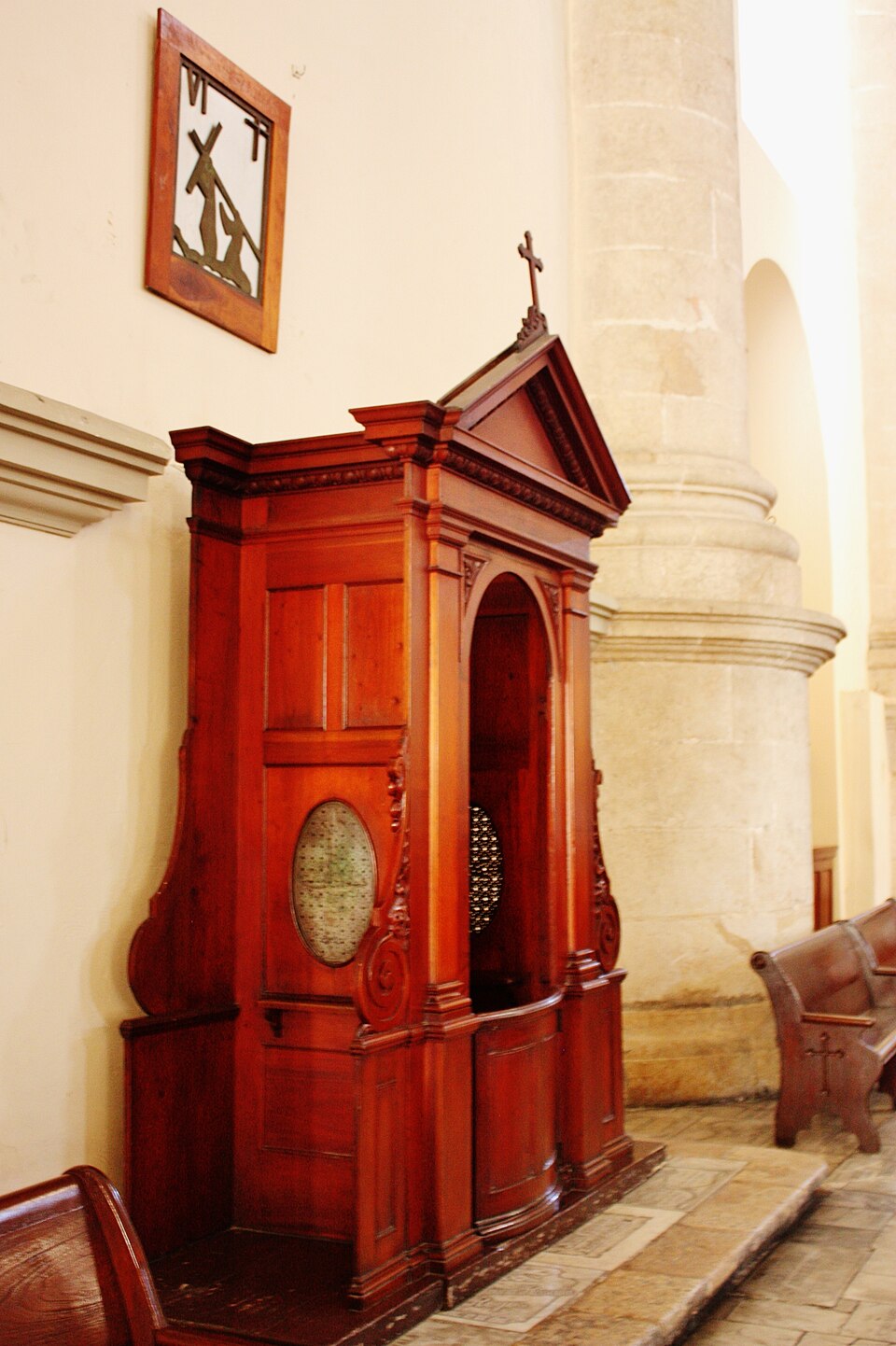
The interior is severe, and that is not original: in 1915 revolutionary troops under General Salvador Alvarado sacked it, destroying the baroque retables, the treasury and a German organ built in 1902. What remains is the architecture — a Renaissance facade, Moorish-looking twin towers, a vault of plain stone — and the Cristo de las Ampollas, a figure said to have been carved from a tree that burned all night without charring.
Highlights
Sit for ten minutes and look at the stone rather than the furnishings; the reused Maya blocks are visible in the lower courses outside. The square in front is the centre of Mérida’s free Sunday programme, when the streets close and the city dances in the plaza. The Museo Casa Montejo, one side of the same square, keeps a conquistador’s house front carved with Spaniards standing on the heads of Maya.