Overview
Set on the border with Oman where the desert meets the mountains, Al Ain grew around ancient oases watered by underground channels, and it remains the cultural cradle of the Emirates. Cooler and greener than the Gulf cities, it is a low-rise town of palm gardens, old mud-brick forts and the tombs and falaj channels that earned it World Heritage status. It is a place for heritage and nature rather than skyscrapers, an easy drive inland from Abu Dhabi or Dubai.
Highlights
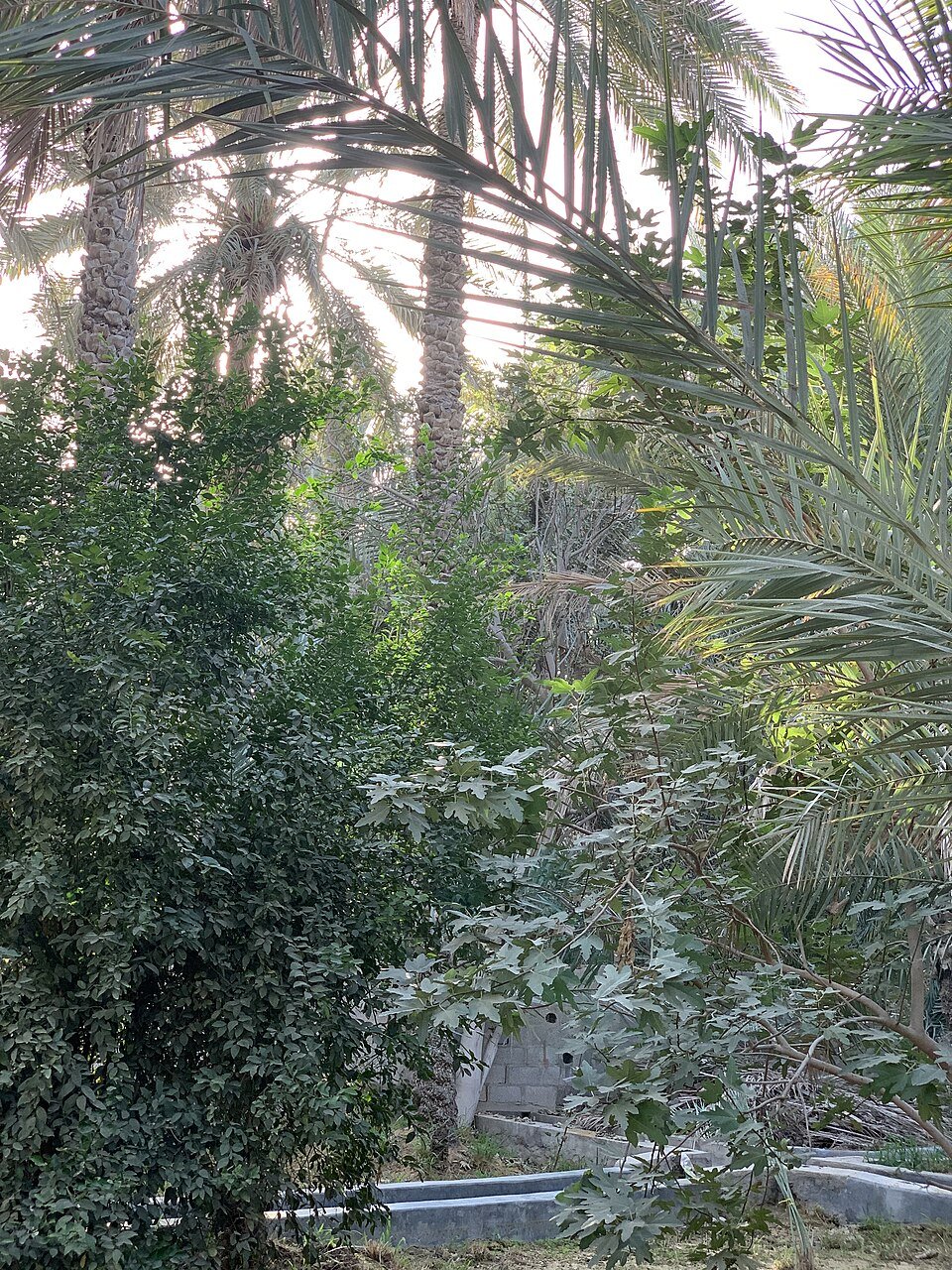
The Al Ain Oasis, a shaded expanse of date palms fed by the ancient falaj irrigation channels, sits at the heart of the city. Forts and the national museum tell the story of the pre-oil Emirates, and the camel market keeps an older trade alive. North of the centre, the Hili Archaeological Park holds the Bronze Age tombs and falaj remains that are part of that World Heritage listing. Jebel Hafeet, the mountain on the edge of town, offers a winding drive to a summit view over the desert.