What happened
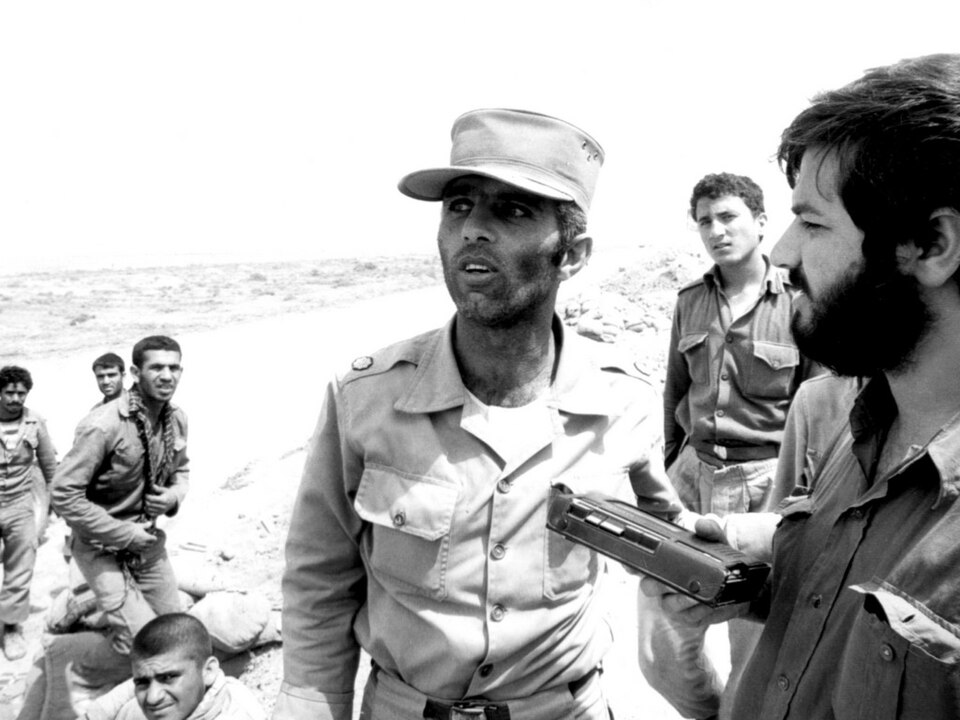
Iraq’s early gains stalled, and Iran recovered its territory by 1982 — marked by the liberation of Khorramshahr — then rejected a ceasefire and carried the war into Iraq. Years of attrition followed: trench warfare, human-wave offensives that included very young volunteers of the Basij, missile attacks on cities, and a tanker war in the Gulf that drew in US naval forces — in 1988 the USS Vincennes shot down an Iranian airliner, killing 290. Iraq used chemical weapons extensively against Iranian troops and Kurdish civilians, as at Halabja in 1988, a record that is extensively documented. Iran accepted UN Resolution 598, the ceasefire took effect on 20 August 1988, and the borders returned to the status quo ante, with no territorial gain on either side.
Background
Iraq under Saddam Hussein invaded on 22 September 1980, aiming at the Shatt al-Arab waterway, the oil of Khuzestan, and a revolutionary Iran it presumed to be weak. Throughout the war, Western and Soviet-bloc support flowed to Iraq while Iran was largely isolated.
Consequences
Combined deaths are commonly estimated at around half a million to a million, though estimates vary widely, and the economic damage to both countries was vast. Inside Iran the war became a founding trial that entrenched the Islamic Republic and propelled the rise of the Revolutionary Guard. Iraq’s war debts fed its 1990 invasion of Kuwait. The war remains central to Iranian state memory as the Sacred Defense.