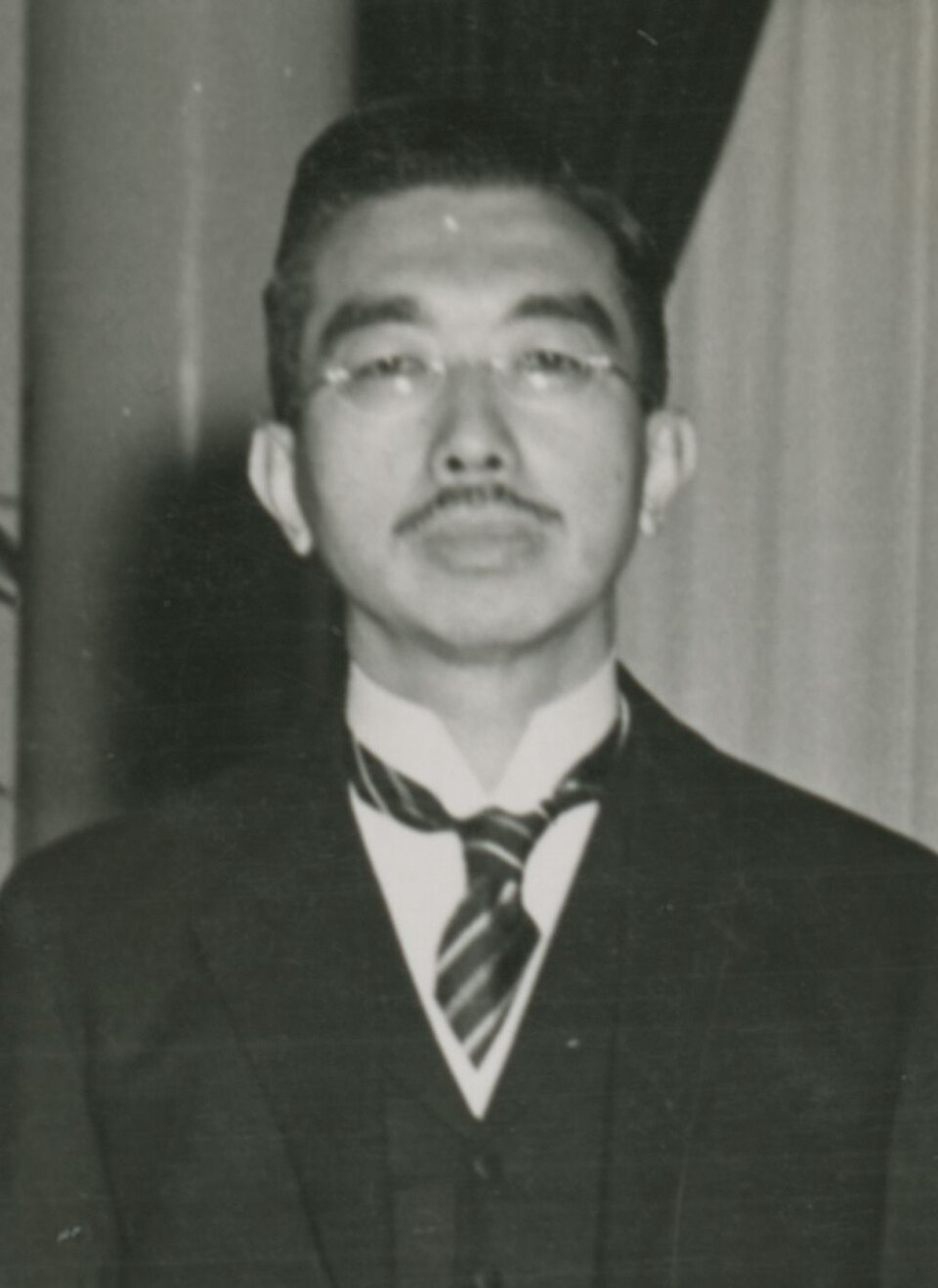
Who they were
Emperor Showa (Hirohito) reigned for 62 years, from 1926 to 1989 — the longest reign in verifiable Japanese history, spanning militarism, catastrophe and rebirth. Under the Meiji Constitution he was sovereign and supreme commander of the armed forces.
What they did
The extent of his personal responsibility for Japan’s war decisions is debated among historians: some emphasize his constitutional passivity, others his involvement in key decisions. In August 1945 he backed the decision to surrender — the “sacred decision” — and broadcast the announcement; most Japanese heard his voice then for the first time. He was not indicted at the Tokyo war-crimes trials, a decision made by the US occupation. The 1946 “humanity declaration” renounced his divinity, and under the 1947 constitution he became a symbol of the state. Postwar he toured the devastated country and pursued marine biology, publishing specialist work. He died on January 7, 1989.
Legacy
The era that bears his name contains both Japan’s darkest years and its remarkable recovery. Assessments of the man himself remain divided.