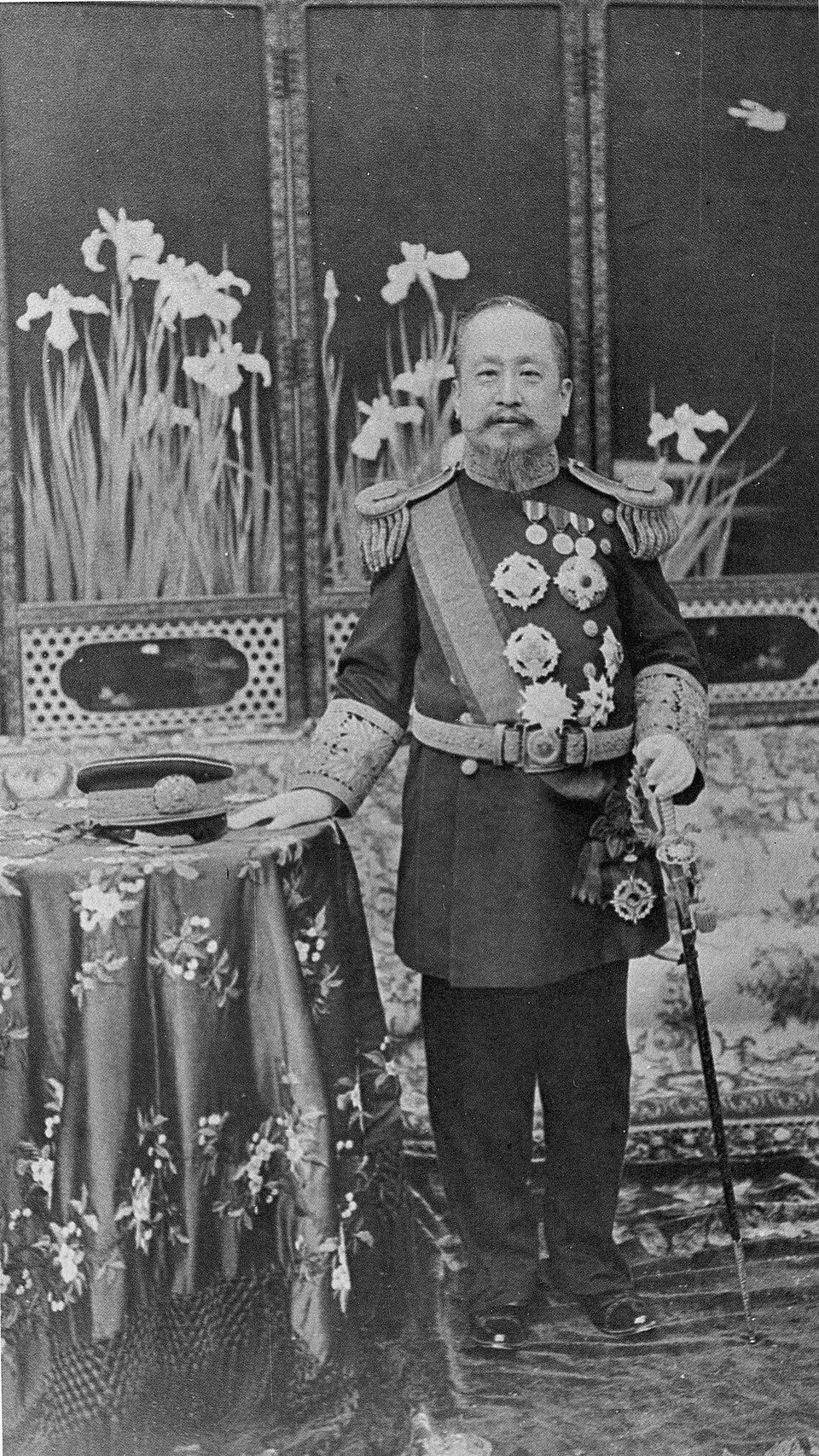
Overview
Gojong’s Daehan Jeguk was a declaration of full sovereignty and a modernization drive. The Gwangmu reforms built infrastructure, schools, and a modern army.
Key developments
The empire’s independence was crushed between great powers. After the Russo-Japanese War of 1904–05, the November 1905 protectorate treaty (the Eulsa Treaty) transferred Korea’s foreign affairs to Japan, and a Japanese Resident-General took control; Korea has long held the treaty invalid as coerced.
Gojong’s secret emissaries to the 1907 Hague Peace Conference were refused a hearing. Japan then forced his abdication and disbanded the Korean army in 1907, fueling the “righteous armies” resistance.
End and transition
The annexation treaty of August 1910 ended Korean statehood for 35 years.