Overview
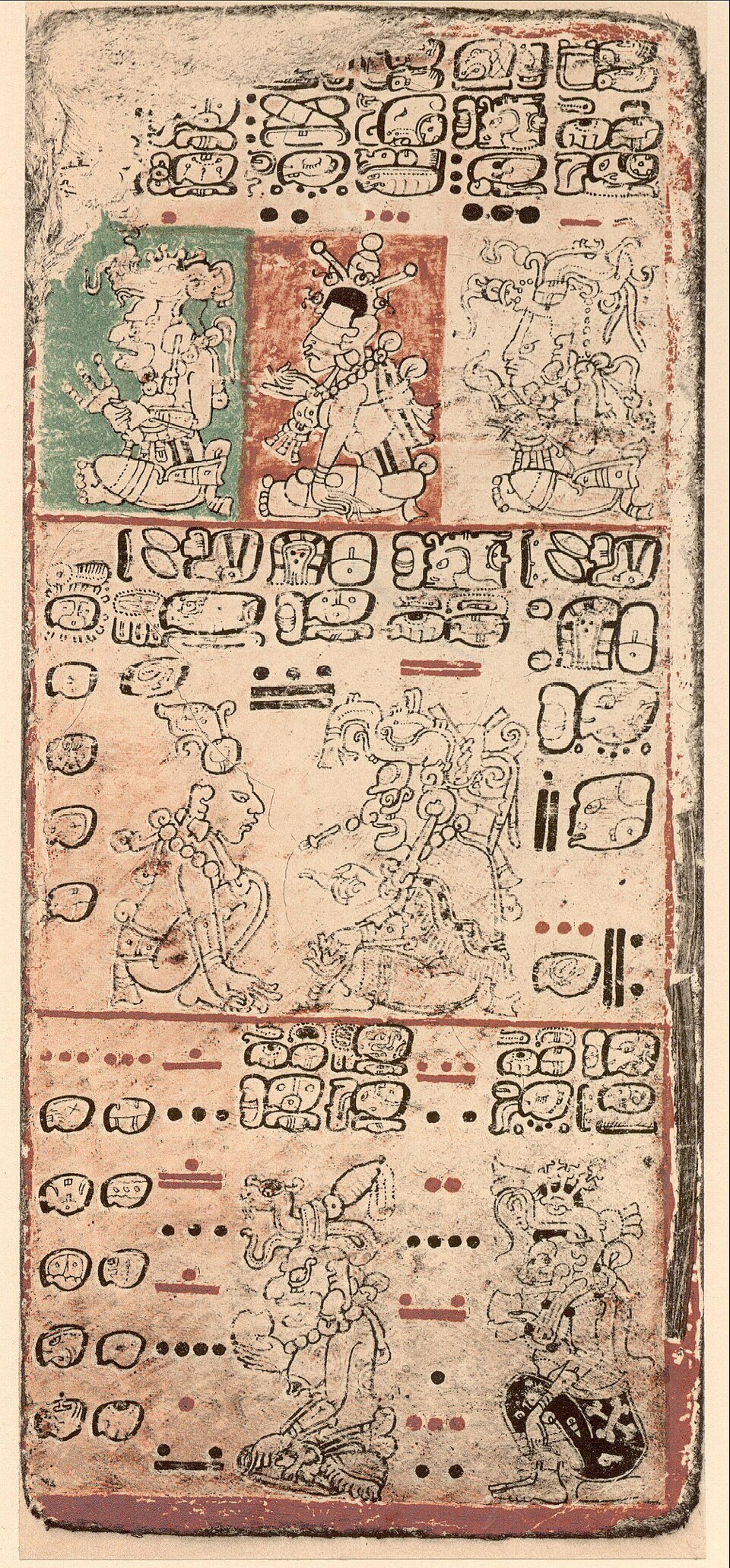
Painted on bark paper folded like a screen, the codex was produced in the Yucatan around the 12th or 13th century, apparently copying older works. It survived when most Maya books were destroyed and later reached Europe, taking its name from the library in Dresden.
Description
Its pages carry hieroglyphic text and imagery on the ritual calendar, ceremonies, and above all astronomy, including detailed tables predicting the movements of Venus and eclipses. The accuracy of these tables shows the sophistication of Maya science.
History and legacy
As one of only four surviving Maya codices, it is a priceless source for Maya writing and astronomy. Its Venus and eclipse tables remain a landmark of pre-modern science in the Americas.