Overview
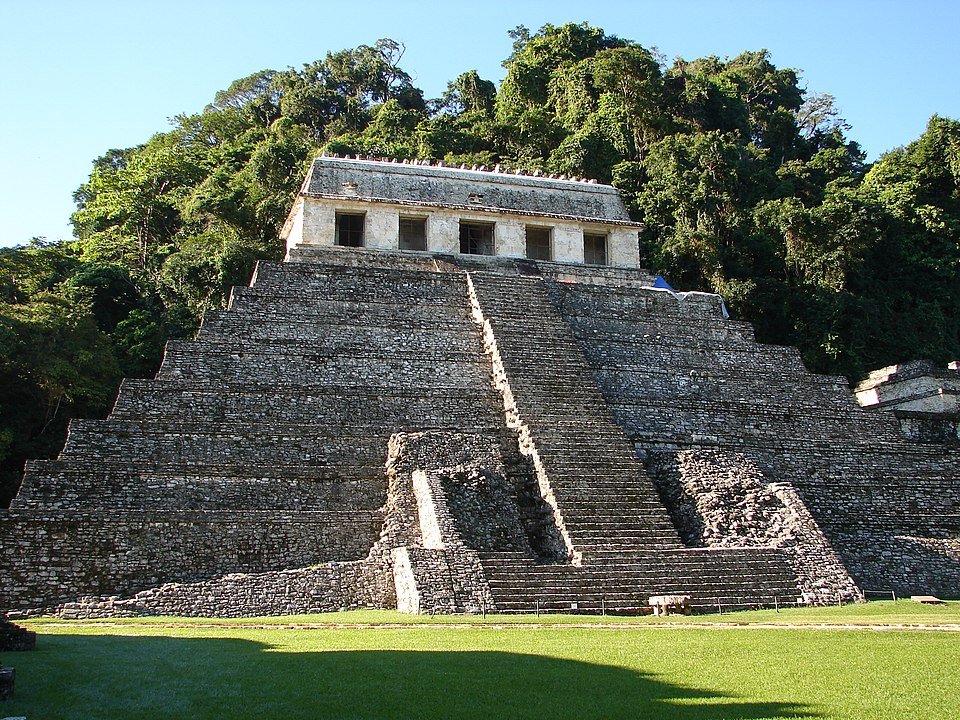
In the Valley of Mexico, Teotihuacan grew into one of the largest cities in the world, laid out along its Avenue of the Dead beneath the Pyramids of the Sun and Moon, and its influence reached distant regions. In the Maya lowlands, rival kingdoms such as Tikal, Calakmul, Palenque, and Copan reached their peak under powerful dynasties.
Key developments
The Maya refined a full hieroglyphic script, precise calendars, and astronomy, recording dynastic history on carved stone stelae. Monte Alban dominated Oaxaca, farming spread across the continent, and in the American Southwest the Ancestral Puebloan and Hohokam traditions began to take shape.
End and transition
Teotihuacan was burned and largely abandoned by around the 7th century, and between roughly 800 and 900 many southern Maya cities were abandoned in the Classic Maya collapse, linked to drought, warfare, and strain on the land. Power shifted north and to new centers as the Postclassic began.