Overview
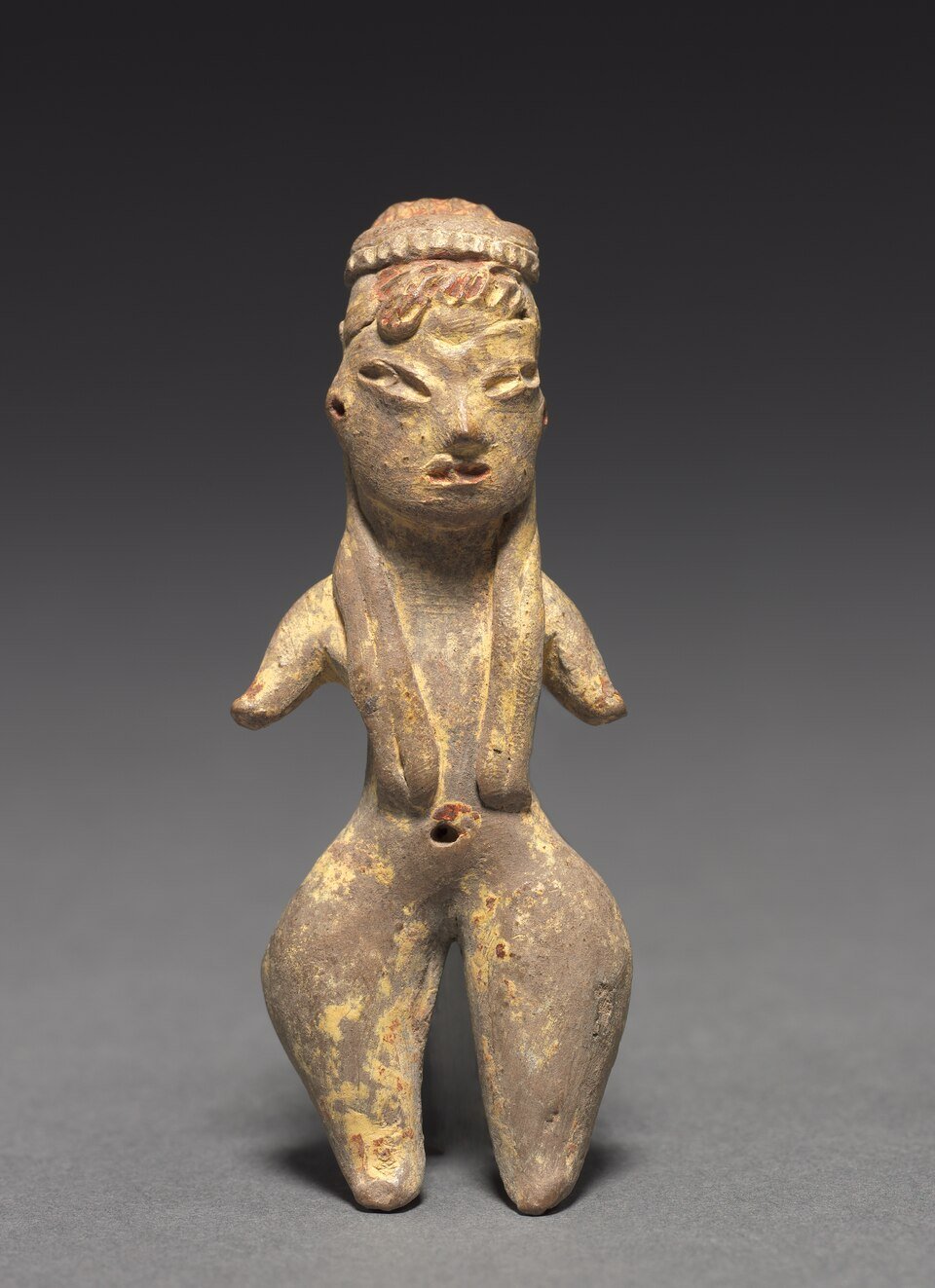
Farming villages grew into towns with pottery, social ranking, and monumental architecture. On Mexico’s Gulf coast the Olmec (c. 1200–400 BC) built centers such as San Lorenzo and La Venta and carved the colossal basalt heads, while the earliest Maya cities and the Zapotec capital of Monte Albán emerged.
Key developments
Mesoamerican peoples developed the paired 260-day and 365-day calendars, early writing, and the ritual ballgame, and Olmec art and religion shaped later cultures. In eastern North America the Adena and then Hopewell cultures raised burial mounds and vast earthworks and traded materials such as copper and obsidian across half the continent.
End and transition
By the early centuries AD, Olmec centers had declined and larger states were forming, above all the great city of Teotihuacan in the Valley of Mexico. The Formative gave way to the Classic period’s cities and dynasties.