Overview
The first Americans descended from Northeast Asian populations who reached the continent during the last Ice Age, when lower sea levels exposed the Bering land bridge (Beringia) and, very likely, a Pacific coastal route was also used. By around 13,000 years ago the fluted-point Clovis tradition had spread widely, followed by regional cultures such as Folsom on the Great Plains.
Key developments
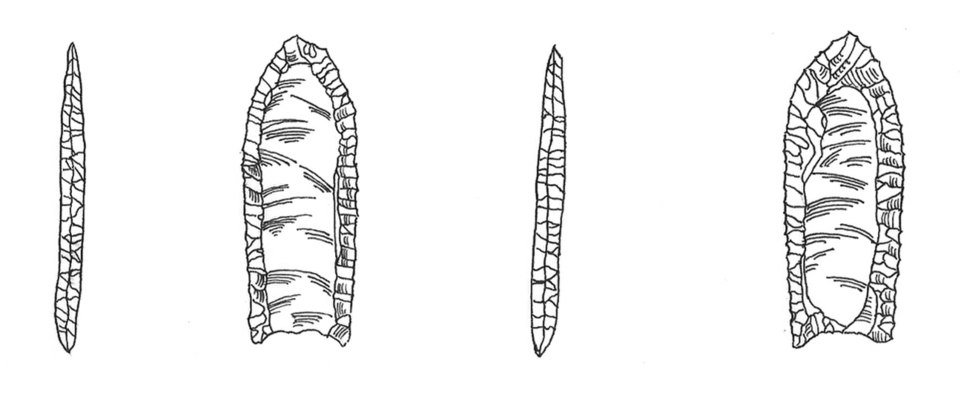
Paleo-Indians were highly mobile hunter-gatherers who pursued big game, including now-extinct megafauna such as mammoths and mastodons, alongside smaller animals and plants. Their toolkit centered on distinctive fluted stone points, and sites like Monte Verde in South America and pre-Clovis layers in North America show that people were present earlier than the Clovis-first model once assumed.
End and transition
As the Ice Age ended, warming climates and human hunting contributed to the extinction of the great megafauna, and the mobile big-game way of life gave way to the broader foraging of the Archaic period. The exact timing and routes of the first peopling remain actively debated as new sites are found.