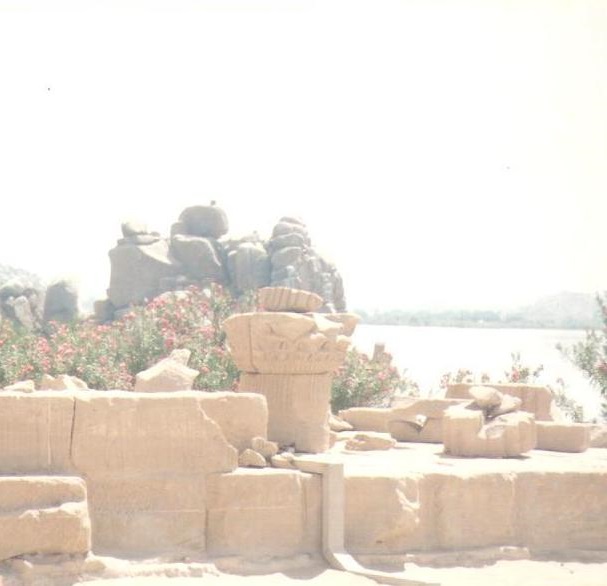
Overview
The island guarded the First Cataract and the trade route to Nubia — ivory, incense and gold passed through here, and the name is Greek for the ivory. Excavations have exposed temples of Khnum and Satet stacked through successive periods, and a Jewish garrison’s papyri from the fifth century BCE were found here, documenting a temple to Yahweh on Egyptian soil.
Highlights
The nilometer, a stepped shaft cut to the river to measure the flood, is the piece worth finding. The Aswan Museum on the island is small and helps make sense of the excavation. Walk through the Nubian villages of Siou and Koti; the colours and the hospitality are the reason many visitors stay longer than planned.