Overview
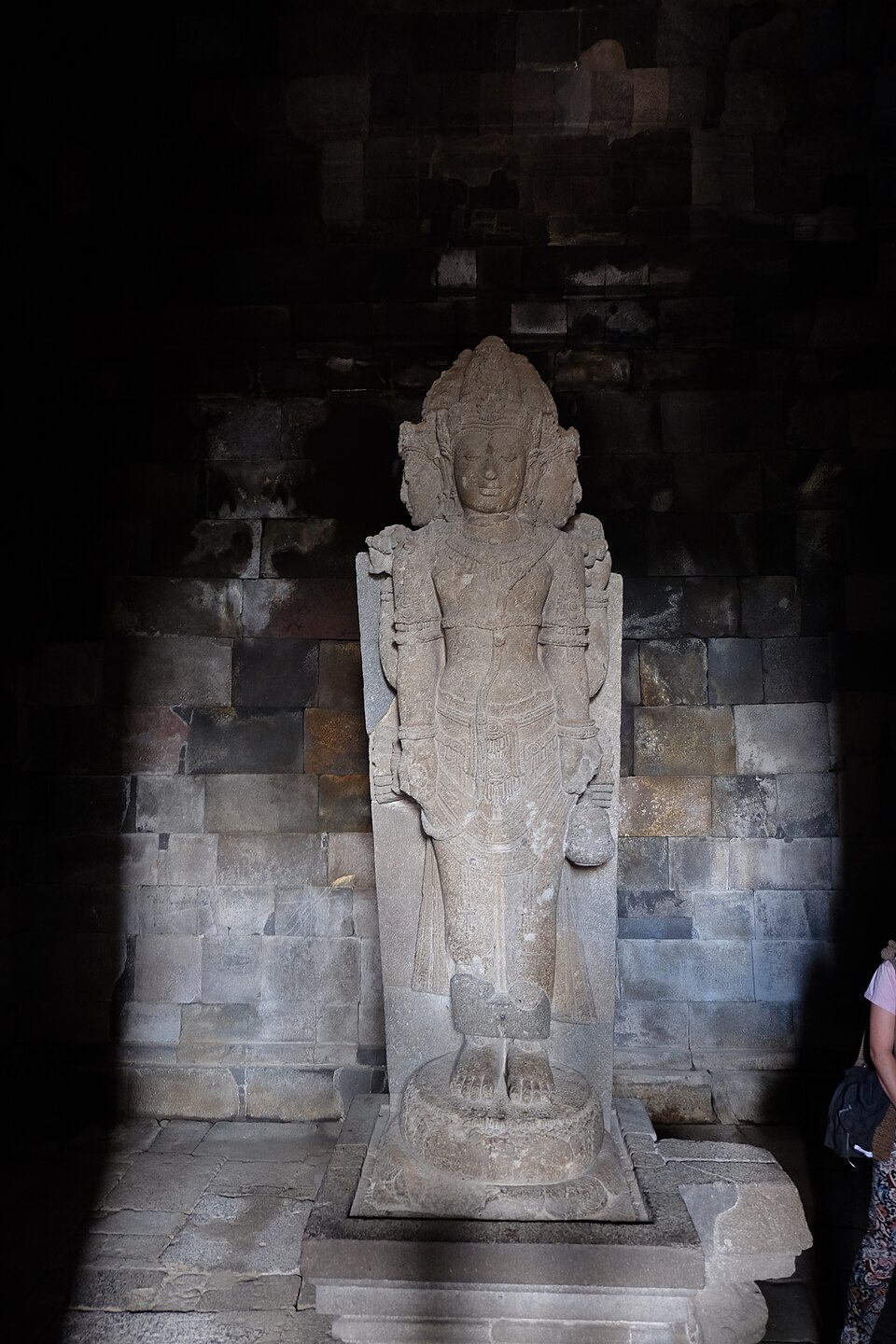
The compound was raised around 850 by the Sanjaya kings, abandoned within a century, and brought down by earthquakes; the reconstruction began in 1918 and the Shiva temple was finished in 1953, on the rule that a temple could only be rebuilt if most of its original stones were on site. The Ramayana is carved along the balustrades of the two main temples and can be followed as a continuous narrative. The Buddhist complex of Sewu stands a kilometre north, which is the striking part: two religions building monumentally, side by side, in the same generation.
Highlights
Walk the Ramayana reliefs clockwise from the east stair of the Shiva temple, which is the direction they were carved to be read. Sewu is included in the ticket and almost empty; take the free shuttle or walk. In the dry season the Ramayana ballet is staged at the open-air theatre with the temples lit behind the dancers.