Overview
For most of the eighth century Nara was the capital and the cradle of Japanese Buddhism, and the monuments of that age survive around a large park at the foot of the eastern hills. Tame deer, regarded as messengers of the gods, roam the park freely and bow for crackers among the visitors. The town is small and walkable, its great temples and shrine within an easy stroll, and it is quieter than Kyoto while holding some of Japan’s most important early buildings.
Highlights
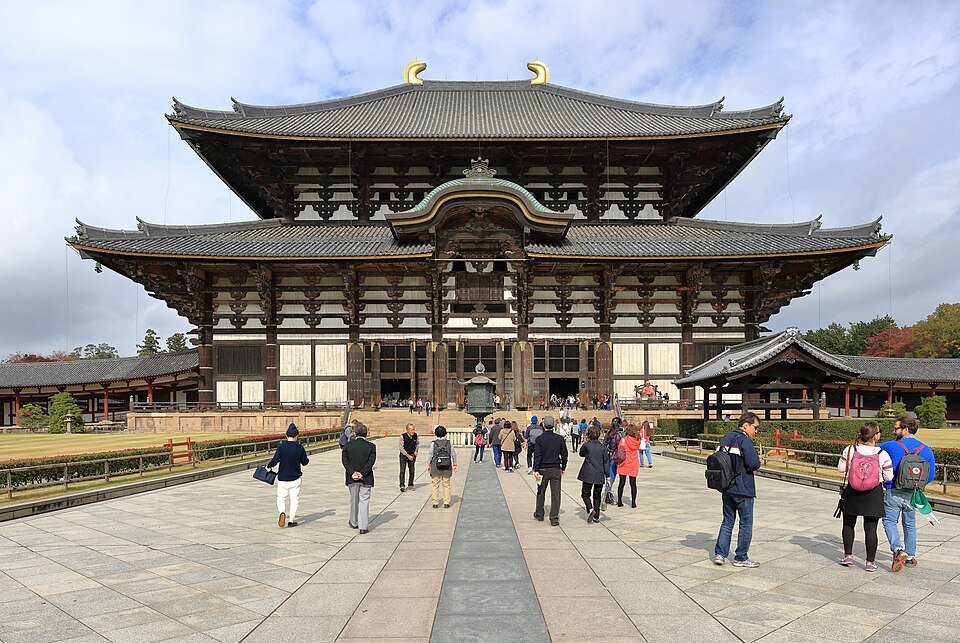
Tōdai-ji shelters the Great Buddha, a bronze figure fifteen metres high, in one of the world’s largest wooden halls. Kasuga Taisha, approached through a forest lined with stone and bronze lanterns, and the five-storey pagoda of Kōfuku-ji complete the circuit of monuments. Nara Park ties them together, its free-roaming deer a draw in their own right beneath the trees.