Overview
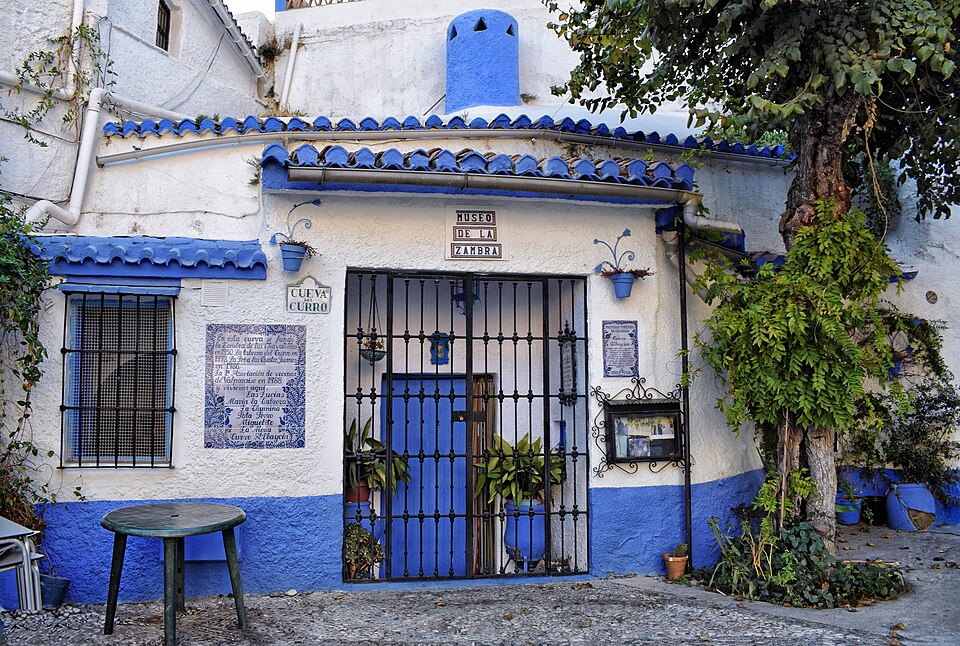
The quarter grew from the sixteenth century as Roma, moriscos and the poor settled outside the walls, and the zambra — a wedding-derived flamenco form danced in a line down a cave’s long room — belongs to this hill specifically. Floods in 1963 destroyed many caves and emptied the neighbourhood; some have been restored as houses, some as venues. The Cuevas del Sacromonte museum shows how a cave dwelling was actually laid out.
Highlights
Book a zambra at a cave that shows its performers’ names rather than one selling a bus package; the difference is audible. The museum is a fifteen-minute walk beyond the last houses and explains the quarter better than any show. Walking back down after dark is fine on the main lane and not advisable on the paths above it.