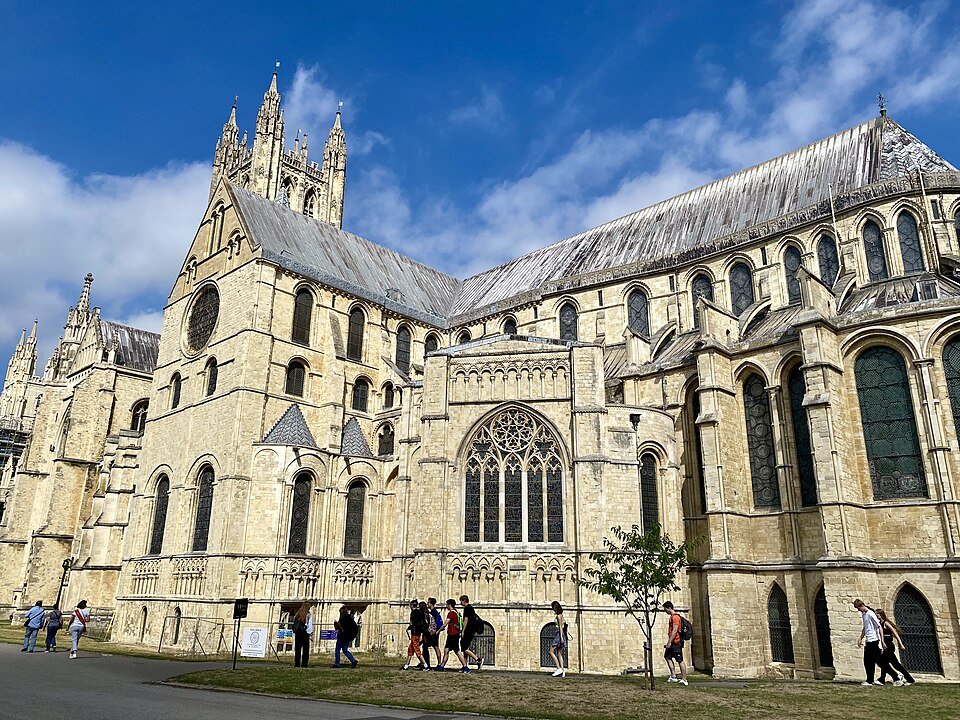
What it was
The 1534 Act of Supremacy, passed after the pope refused to annul Henry VIII’s marriage, declared the king supreme head of the church in England. Under Edward VI, Thomas Cranmer’s Book of Common Prayer gave it an English liturgy; Mary I’s Catholic restoration burned Cranmer and others; and Elizabeth I’s settlement of 1559 fixed the church’s enduring shape, Protestant in doctrine while keeping bishops and cathedrals.
Role
As the established church it long framed English public life: attendance was for centuries required by law, its bishops sit in the House of Lords, and the monarch remains its supreme governor, crowned by the Archbishop of Canterbury. Conflicts over its character helped drive the Civil War, the ejection of dissenters after 1662, and the Methodist departure in the 18th century, while its missions carried Anglican churches across the empire — the network that became the Anglican Communion.
Fate
Religious tests were dismantled in the 19th century, and the church’s legal privileges narrowed as England grew more plural and more secular. It ordained women priests from 1994 and consecrated its first woman bishop in 2015. Established still, it now ministers to a country in which regular attendance is a small minority, while the Communion it leads counts tens of millions of members worldwide.