What it was
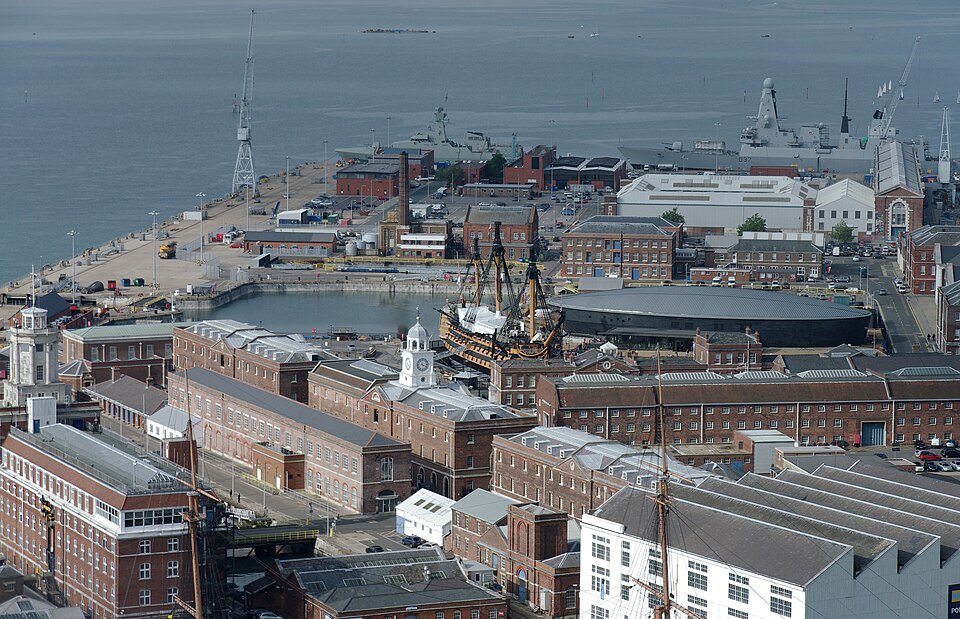
English kings had raised fleets since Alfred, but Henry VIII created the standing force: dozens of purpose-built warships, dockyards at Portsmouth and elsewhere, and in 1546 a Navy Board to run them. The Restoration navy of 1660 took the formal name Royal Navy, with Samuel Pepys building its professional administration.
Role
The navy defeated the Spanish Armada in 1588, fought the Dutch wars of the 17th century, and through the long wars with France perfected the blockade and the line of battle, culminating in Nelson’s victory at Trafalgar in 1805. For the following century of Pax Britannica it policed the oceans unchallenged, and its West Africa Squadron intercepted slave ships after Britain outlawed the trade in 1807 — the same service whose press gangs and harsh discipline had long been feared at home. In the world wars it fought Jutland, kept the Atlantic convoys alive, and carried the armies of D-Day.
Fate
Superseded by the United States Navy in scale after 1945, the Royal Navy shed its battleships and much of its global network, refocusing on carriers and the nuclear deterrent submarines it has operated continuously since 1969. It remains one of the world’s principal navies, its history woven into the identity of the state it served.