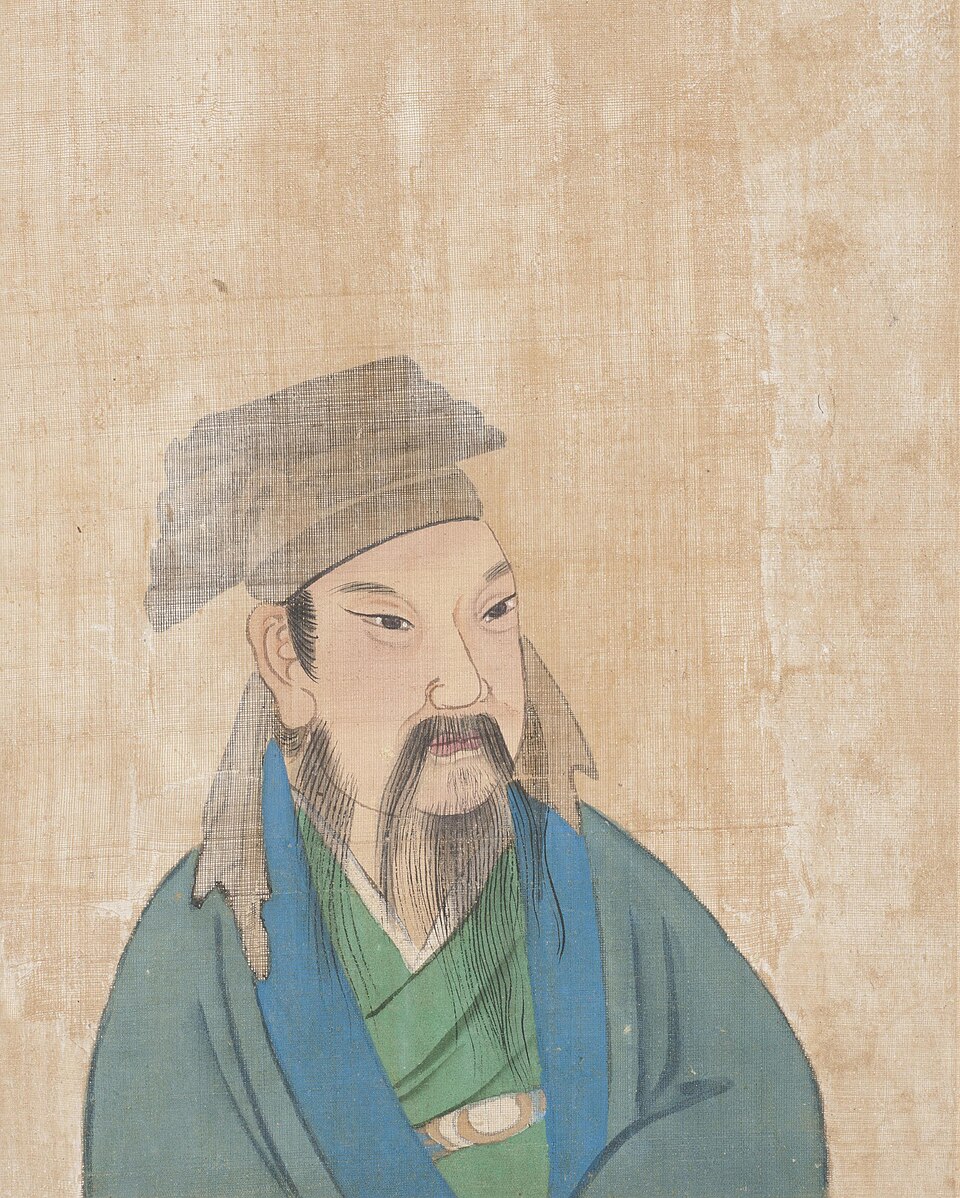
Who they were
An aristocrat of the Eastern Jin dynasty, Wang Xizhi earned the title “Sage of Calligraphy” (書聖). He was a master above all of running script (行書), the fluid semi-cursive style.
What they did
In 353 he attended a gathering of literati at Lanting, near modern Shaoxing, and wrote the Preface to the Poems Composed at the Orchid Pavilion — the single most admired piece of Chinese calligraphy. The original is lost: tradition says Emperor Taizong of Tang, who adored it, had it buried with him, and the work survives through Tang-era copies. His son Wang Xianzhi also ranks among the greatest calligraphers; father and son are known as “the two Wangs.”
Legacy
For more than 1,500 years, calligraphy in China — and in Japan — measured itself against his standard.