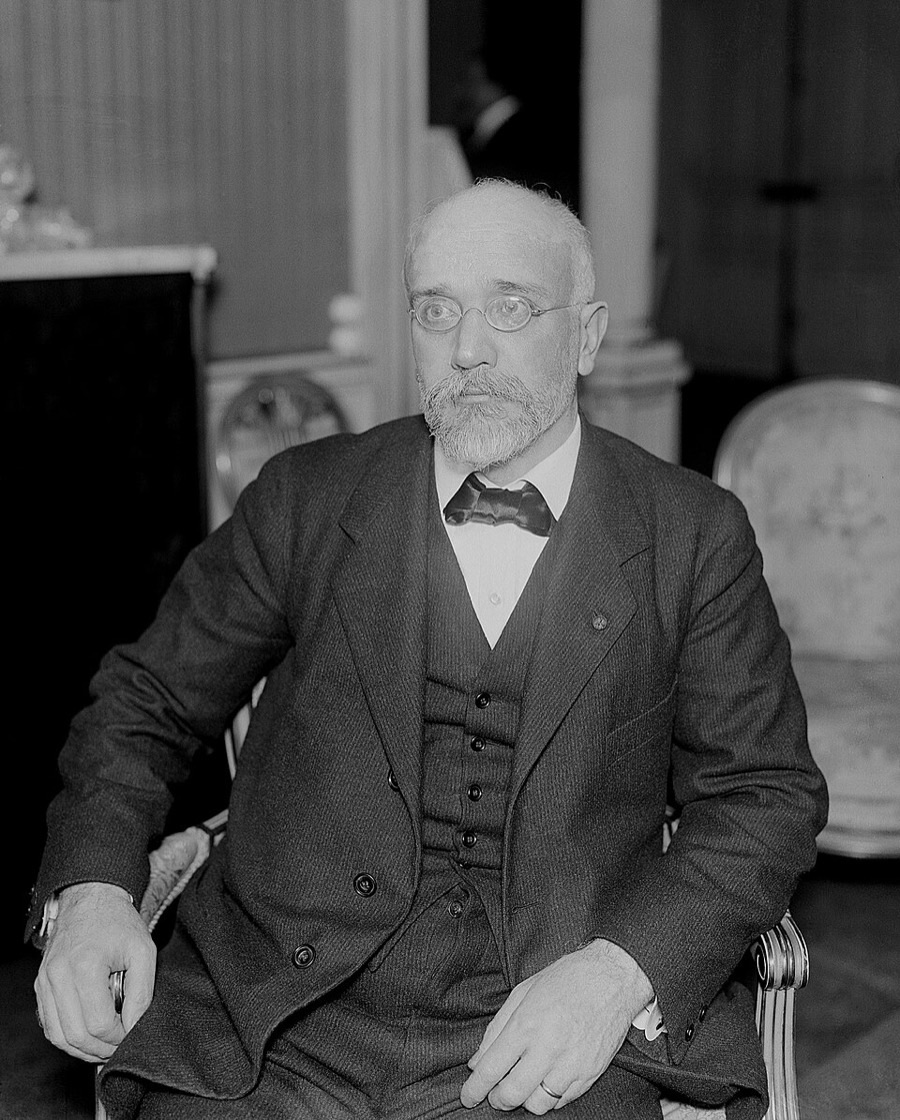
Who they were
Venizelos was born in Crete in 1864 and rose as a leader of the island’s struggle for autonomy, heading the Therisos revolt of 1905. Summoned to Athens after the Goudi coup of 1909, he became prime minister in 1910. He was the dominant Greek statesman of the early twentieth century, often called the maker of modern Greece.
What they did
As prime minister he carried out constitutional and land reforms and modernized the army and the state. In the Balkan Wars of 1912–13, his alliance diplomacy and sense of timing nearly doubled Greece’s territory and population. In the First World War he championed the Entente against King Constantine’s preference for neutrality — the National Schism — setting up a rival government in Salonika in 1916, bringing Greece into the war on the Entente side in 1917, and winning at the peace table. The occupation of Smyrna in 1919 was his gamble: he lost the election of 1920, the Asia Minor campaign he had begun ended under his successors in the catastrophe of 1922, and it was Venizelos who then negotiated the Lausanne settlement of 1923, including the population exchange. Premier again in 1928–32, he pursued reconciliation with Turkey, sealed by the Ankara accords with Atatürk in 1930.
Legacy
Implicated in the failed coup of 1935, he died in exile in Paris in 1936. The historiography standardly presents both faces of the man: the liberal reformer and the expansionist gambler. Athens’ airport bears his name.