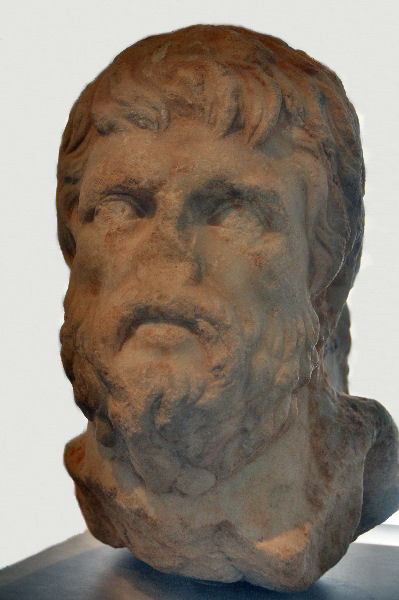
Who they were
Xenophon (c. 430–c. 354 BC) was an Athenian soldier and writer, in his youth a companion of Socrates. Exiled from Athens for his association with Sparta and the enemy side, he settled under Spartan patronage at Scillus near Olympia, writing and farming. The exile was probably revoked later in his life.
What they did
In 401 BC he joined the Greek mercenaries of Cyrus the Younger’s rebellion against his brother, the Persian king. After Cyrus died at Cunaxa and the Greek generals were killed at a parley, Xenophon was elected a leader of the stranded Ten Thousand and led their fighting retreat to the Black Sea — the moment the vanguard cried out at the sight of the sea is the famous scene, told in his Anabasis. His other works include the Hellenica, continuing Thucydides down to 362 BC; the Memorabilia and other Socratic writings, whose Socrates complements Plato’s; the Cyropaedia, an idealizing portrait of Cyrus the Great; and treatises on horsemanship, hunting, and household management. His plain, clear Greek made him for centuries the first author students read.
Legacy
Xenophon was soldier, historian, memoirist, and practical philosopher in one. His Anabasis remains a lasting template of the fighting retreat.