Overview
Genghis Khan’s invasion of the Khwarazmian empire (1219–1221) devastated Iran’s eastern cities — Merv, Nishapur, Herat — with massacres remembered as apocalyptic, though the figures in the sources are unreliable. Decades of Mongol governors followed. In 1256 Hulagu, grandson of Genghis, founded the Ilkhanate, a subordinate khanate of the Mongol empire, covering Iran, Iraq, the Caucasus, and the east of Anatolia.
Key developments
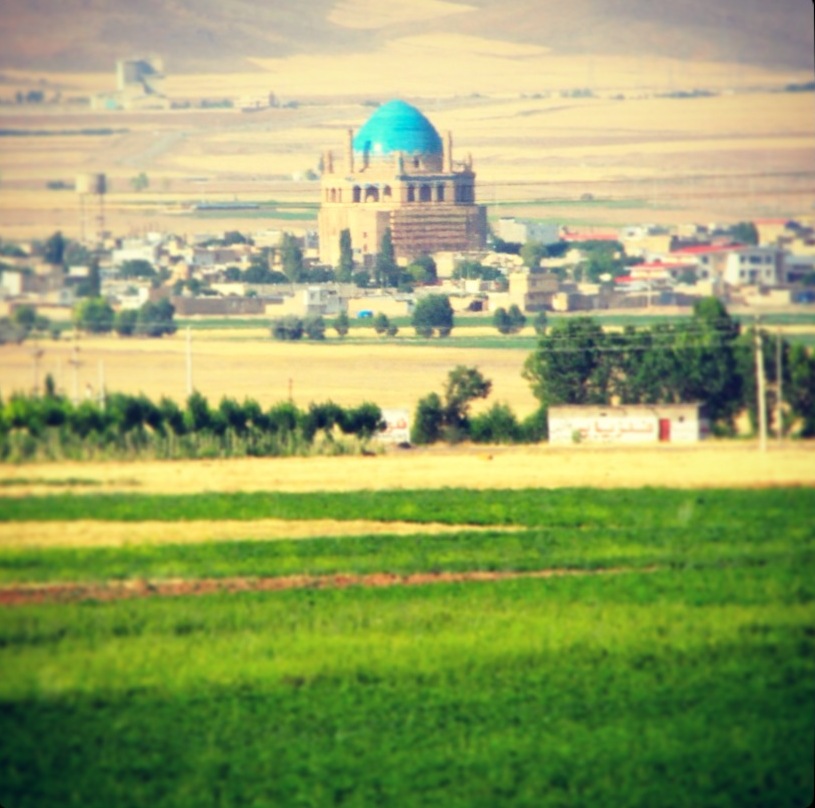
In 1258 Hulagu sacked Baghdad and killed the last Abbasid caliph, ending the caliphate after 500 years; his push westward was checked by the Mamluks at Ain Jalut in 1260. The court was at first religiously eclectic, with Buddhist, Christian, and shamanist influences, until Ghazan Khan converted to Islam in 1295, making the state Muslim; with his vizier Rashid al-Din he reformed taxes and patronized learning. Rashid al-Din’s Jami al-Tawarikh, the Compendium of Chronicles, is often called the first world history. The era was brilliant for Persian miniature painting, historiography, and astronomy — the Maragheh observatory under Nasir al-Din Tusi — while intense exchange with Yuan China along the Mongol routes brought chinoiserie motifs into Persian art.
End and transition
After the last effective ilkhan died in 1335, the state dissolved into regional dynasties — the Jalayirids, the Muzaffarids, and others — by 1353. That vacuum is what Timur would fill.