Overview
The Ilkhanate put a steppe ruling class over a Persian one and connected Iran, by conquest, to China. Both show in dress: Mongol cut at court, and Chinese motif in the silk, arriving through an empire that moved craftsmen as readily as armies.
Key garments and style
The Mongol garment is a robe crossing at the front with narrow sleeves, belted, worn over trousers and boots and made for riding. Men wore their hair in braids or loops at the sides. The most conspicuous women’s item is the boqta, a tall headdress built on a light frame and covered in silk and feathers, which stood well above the head and is unmistakable wherever it appears.
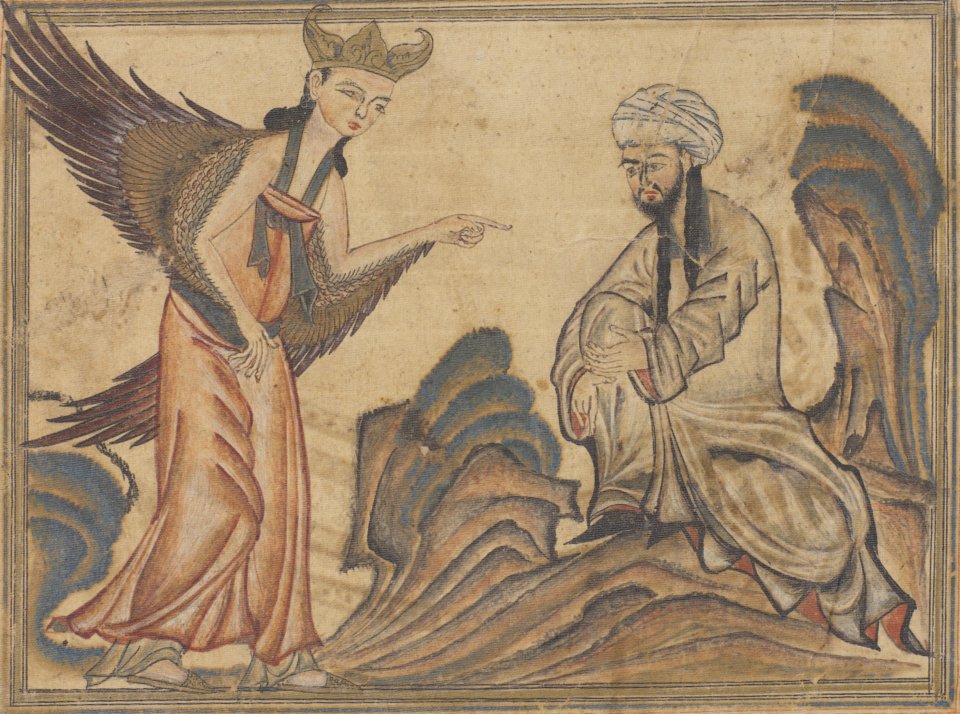
The textiles are where the two worlds fuse. Dragons, phoenixes and Chinese cloud bands enter Persian weaving in this period and stay, absorbed into a repertoire that had been Sasanian in descent; cloth of gold was woven by craftsmen resettled from Central Asia. The same fusion runs through the manuscripts — the illustrated copies of Rashid al-Din’s Jami al-tawarikh, made at Tabriz in the early fourteenth century, show Mongol dress drawn with Chinese pictorial conventions by Persian painters, which is as compact a statement of the period as any garment.
Transition
Under the Timurids these borrowings settled into the court dress that Persian miniature painting would depict for the next two centuries, by which time the Mongol elements had stopped reading as foreign.