What happened
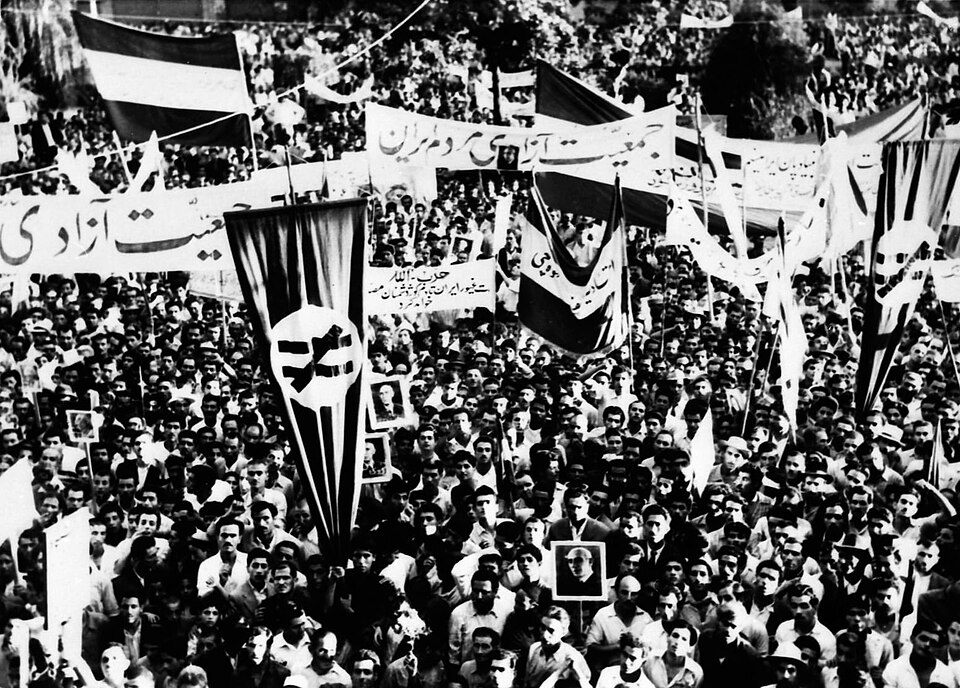
The shah signed decrees dismissing Prime Minister Mohammad Mosaddegh, but a first attempt on 15–16 August 1953 failed and the shah fled to Baghdad and then Rome. Days later paid crowds, clerical networks, and army units under General Zahedi succeeded, and Mosaddegh was overthrown on 19 August by royalist military and street forces. Fighting at Mosaddegh’s house killed on the order of 200 to 300 people, though estimates vary. The operation, code-named Operation Ajax, was organized by the American CIA with Britain’s MI6; the CIA formally acknowledged its role in 2013, when documents were declassified.
Background
After Iran nationalized its oil industry, Britain imposed an oil embargo; when the embargo failed to reverse nationalization, the coup was planned, and the United States framed the operation in Cold War terms. Recent scholarship debates the relative weight of foreign organization versus domestic actors — the clergy, the army, and the bazaar — and that question remains open.
Consequences
The shah returned to the throne, and Mosaddegh was tried and confined. The oil dispute was settled by an international consortium: Iran’s oil was managed by Western companies with a 50–50 profit split, while nationalization was nominally preserved. The monarchy turned durably authoritarian with US backing, and the founding of the SAVAK security service in 1957 with CIA and Mossad assistance is documented. For many Iranians the coup became the founding grievance against the United States and Britain, cited across the political spectrum ever since, including in 1979.