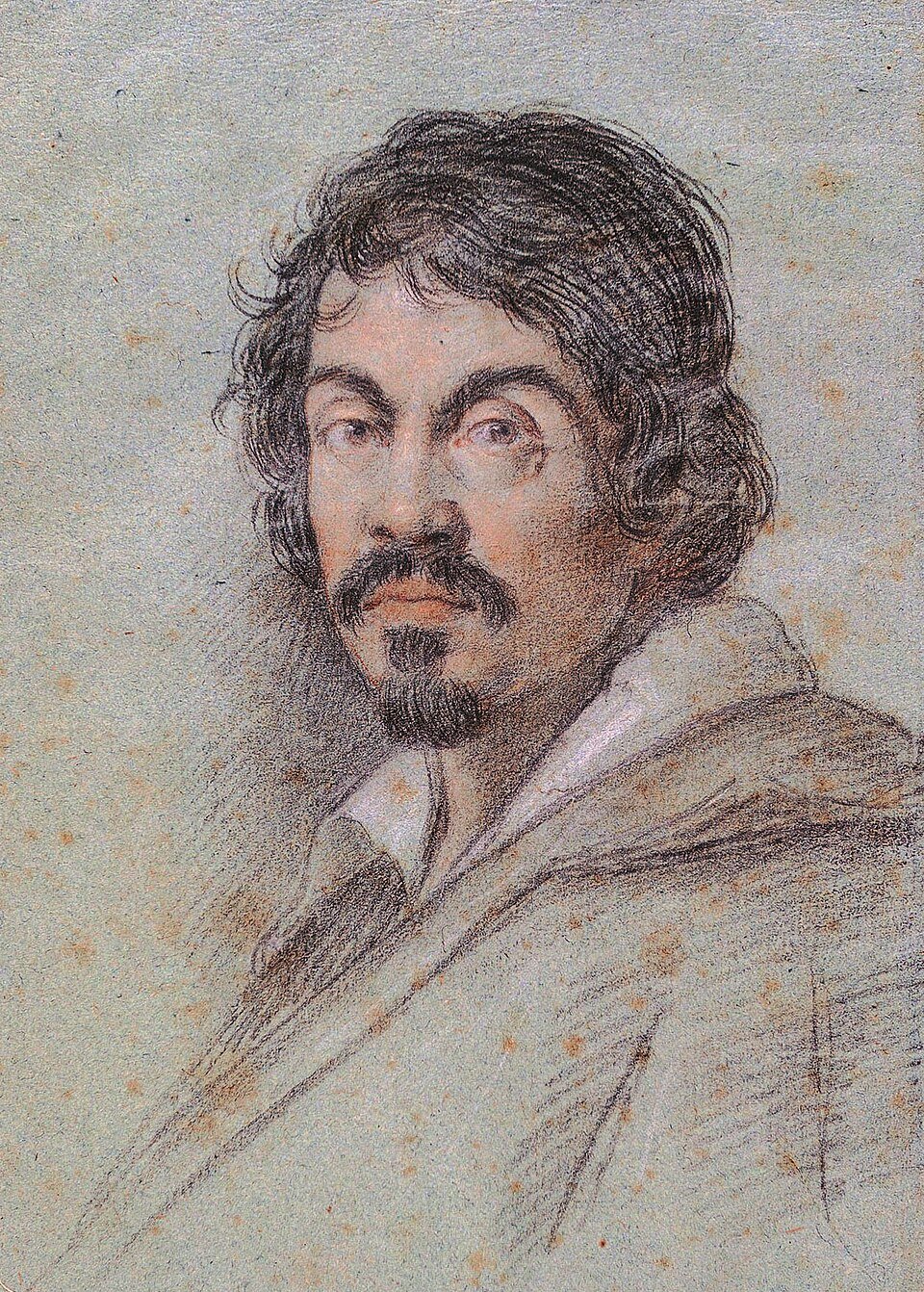
Who they were
Caravaggio — Michelangelo Merisi, named for the Lombard town of Caravaggio — was an Italian painter active mainly in Rome from the 1590s. His life is unusually well documented, partly through police and court records of brawls and assaults.
What they did
He painted sacred scenes with ordinary people as models and with a theatrical light emerging from deep shadow — the manner known as tenebrism — in works such as The Calling of Saint Matthew, from around 1600, which made him the most talked-about painter in Rome. In 1606 he killed Ranuccio Tomassoni in a fight and fled the city under a capital sentence, working in Naples, in Malta — where he was knighted and then expelled — and in Sicily. He died at Porto Ercole in 1610, at 38, while seeking a papal pardon; the exact circumstances are still debated.
Legacy
Painters across Europe, the so-called Caravaggisti, spread his lighting and realism, and his influence reached Rubens, Velázquez, and Rembrandt. After centuries of relative neglect, 20th-century scholarship restored him to the first rank of Western painters.