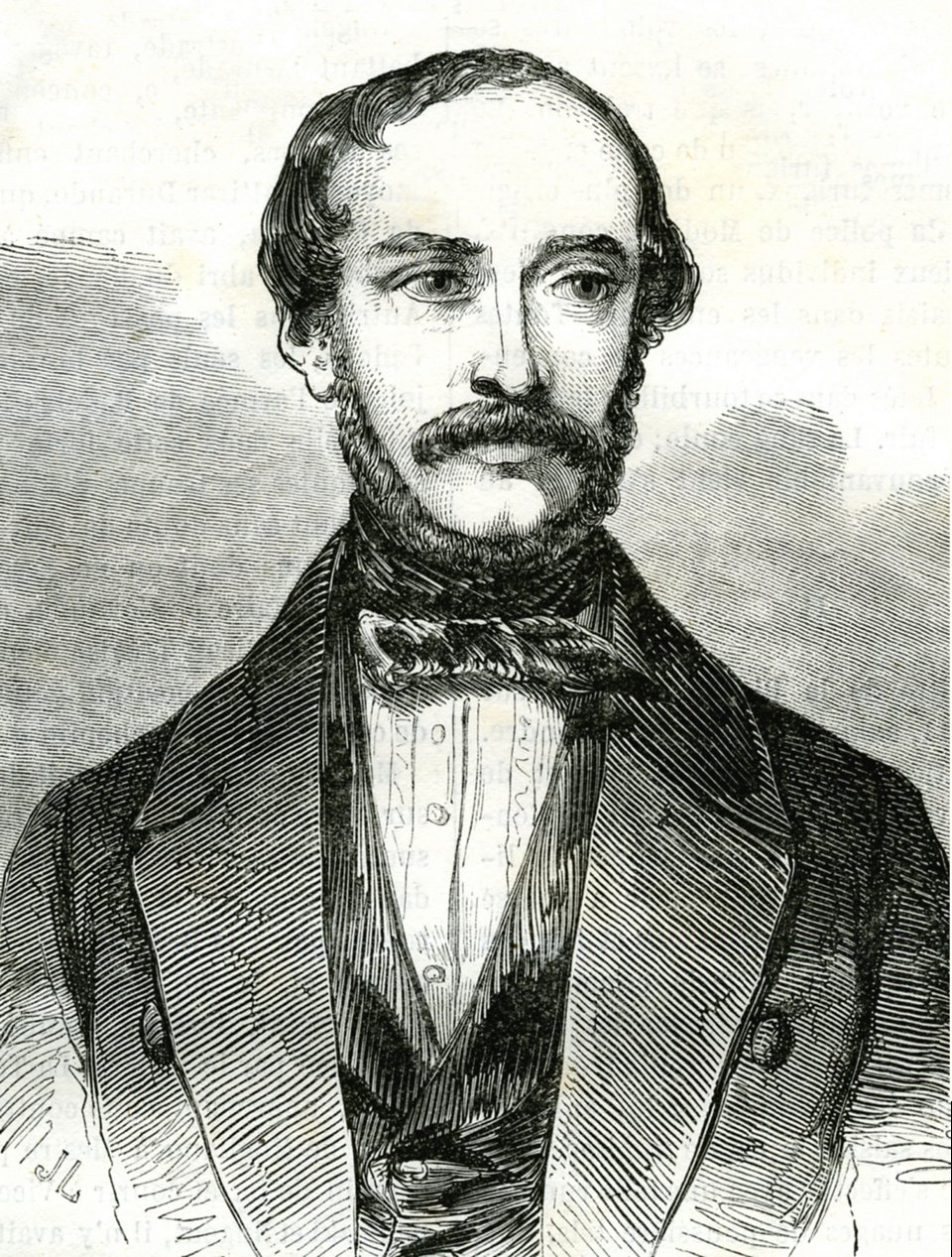
Who they were
Giuseppe Mazzini was a Genoese nationalist thinker and agitator. Arrested in 1830 for Carbonari activity, he spent almost all the rest of his life in exile, much of it in London, organizing conspiracies for a united republican Italy.
What they did
In 1831 in Marseille he founded Young Italy, a movement to unite the peninsula as a democratic republic through popular insurrection; at its height it drew tens of thousands of members, including the young Garibaldi. His many attempted uprisings failed, but in 1849 he governed the short-lived Roman Republic as one of its three triumvirs until French troops restored the pope. He kept writing and plotting through the 1850s and 1860s, and refused to accept the monarchy under which unification was finally achieved, remaining a republican to the end.
Legacy
Italy was united largely by Cavour’s diplomacy and Garibaldi’s arms, but it was Mazzini who had made unification thinkable, and he stands beside them as the ideological soul of the Risorgimento. He died in Pisa in 1872, living under a false name in the Italy he had helped to create. His vision of popular nationalism influenced independence movements far beyond Europe.