What happened
On July 8, 1853, Commodore Matthew C. Perry of the US Navy anchored four warships — the “black ships” — off Uraga at the mouth of Edo Bay, bearing President Fillmore’s letter demanding that Japan open relations; after days of negotiation the letter was formally handed over at Kurihama on July 14. The steamships, belching smoke, stunned observers.
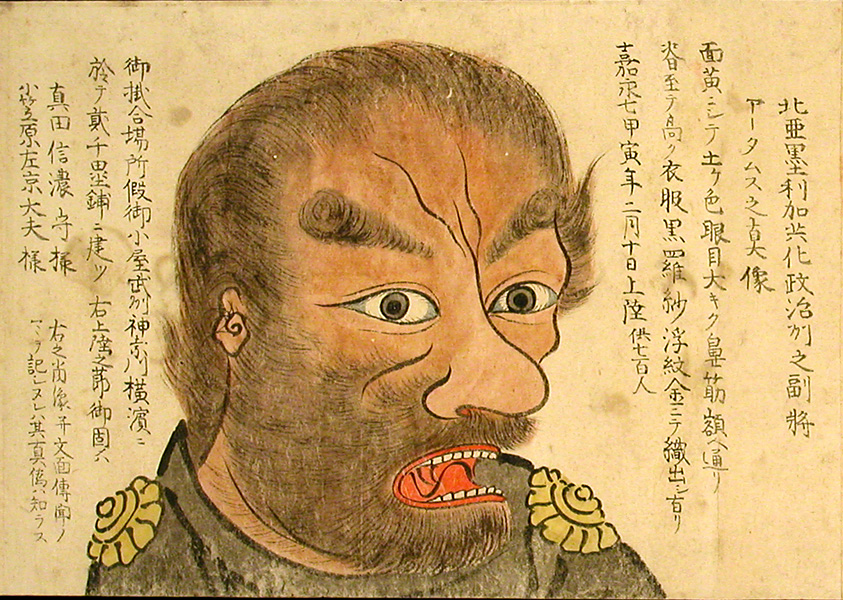
Perry returned in February 1854 with a larger squadron. The Treaty of Kanagawa (March 31, 1854) opened Shimoda and Hakodate to US ships, guaranteed the treatment of castaways, and admitted a consul.
Background
Japan had kept its policy of seclusion, sakoku, for two centuries, while Western pressure was mounting across Asia.
Consequences
The Harris Treaty of 1858 opened trade on unequal terms — extraterritoriality and the loss of tariff autonomy — and similar treaties were soon extended to other powers (the Ansei treaties). Seclusion ended, and the domestic crisis that followed, with its sonno joi agitation, brought the shogunate down within fifteen years.