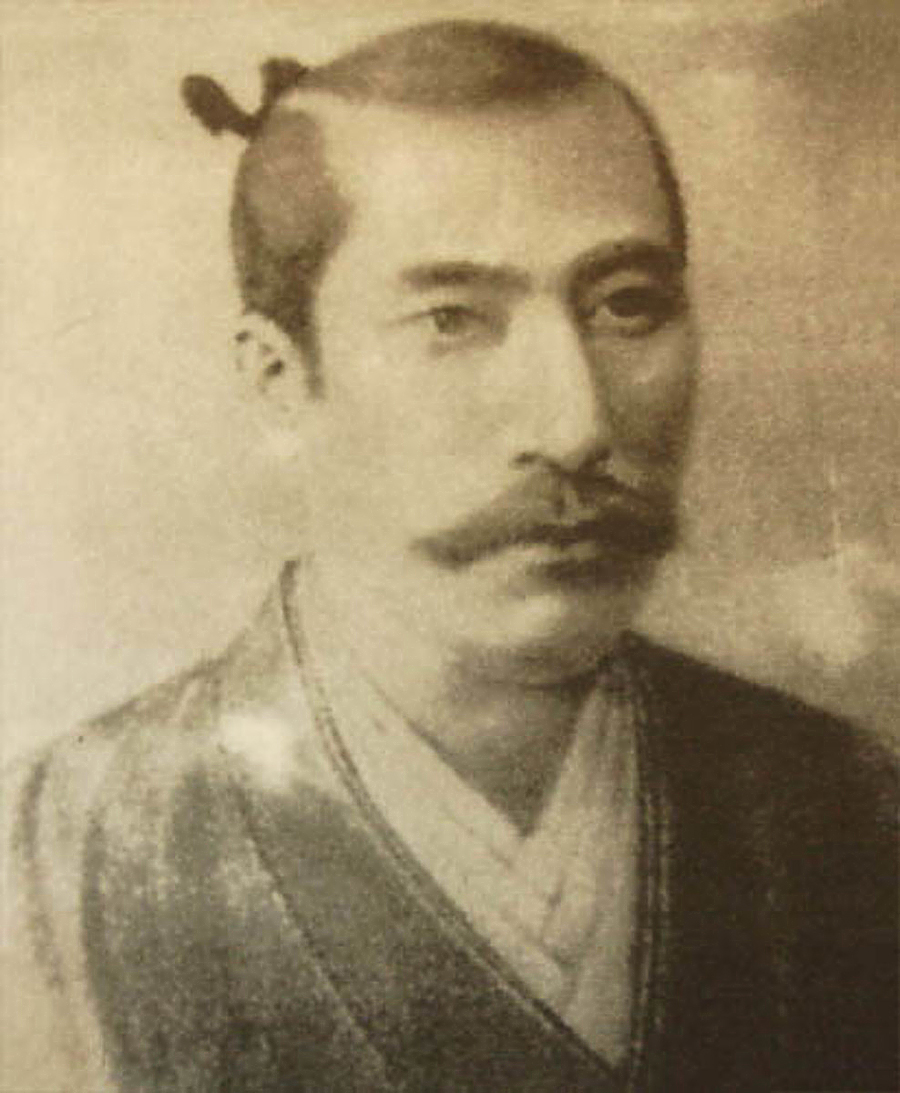
Who they were
A minor daimyo of Owari who shocked the country by destroying Imagawa Yoshimoto’s much larger army at Okehazama (1560). He used the seal “tenka fubu” — the realm under military rule.
What they did
He entered Kyoto in 1568 and expelled the last Ashikaga shogun in 1573. At Nagashino (1575) he deployed matchlock guns on a massive scale — traditionally described as revolutionizing warfare with massed volleys, a framing modern scholarship debates; he built the grand castle at Azuchi and freed markets from guild control (rakuichi rakuza). Ruthless toward armed religious power, he burned Enryaku-ji on Mount Hiei (1571) and fought the Ishiyama Honganji for a decade (1570–80), while tolerating Jesuit missionaries. In 1582 he died at Honno-ji in Kyoto, betrayed by his vassal Akechi Mitsuhide; his body was never found.
Legacy
He was unification’s engine — and remains Japanese popular culture’s favorite radical.