Overview
The Muromachi period (1336–1573) takes its name from the Kyoto district where the Ashikaga shogunate was seated. It began when Ashikaga Takauji turned against Emperor Go-Daigo’s brief Kenmu Restoration (1333–36) and installed a rival emperor. The resulting Northern and Southern Courts fought until reunification in 1392 under the shogun Yoshimitsu.
Key developments
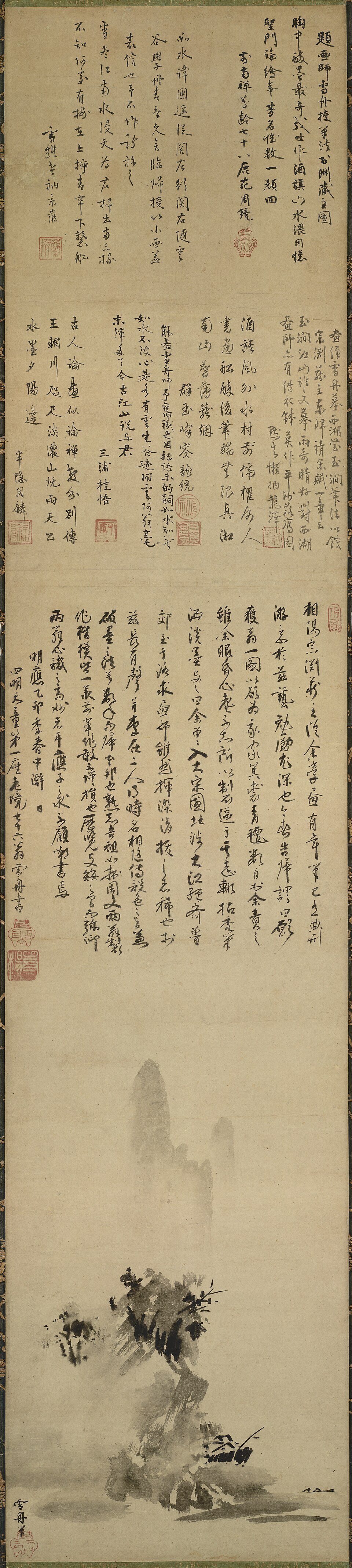
Yoshimitsu built the Golden Pavilion (Kinkaku-ji) and opened tally trade with Ming China. Culture flowered: Noh theater under Kan’ami and Zeami, the origins of the tea ceremony, Sesshu’s ink painting, and the Silver Pavilion (Ginkaku-ji). The Onin War (1467–1477) wrecked Kyoto and shogunal authority, opening the Sengoku (“Warring States”) century of daimyo warfare. During this century Portuguese traders brought firearms to Tanegashima (1543) and Francis Xavier brought Christianity (1549).
End and transition
Oda Nobunaga expelled the last Ashikaga shogun from Kyoto in 1573, bringing the period to a close.