Overview
Wang Geon founded Goryeo in 918 and reunified the peninsula by 936; the name “Korea” derives from Goryeo. Chinese-style civil examinations were introduced in 958.
Key developments
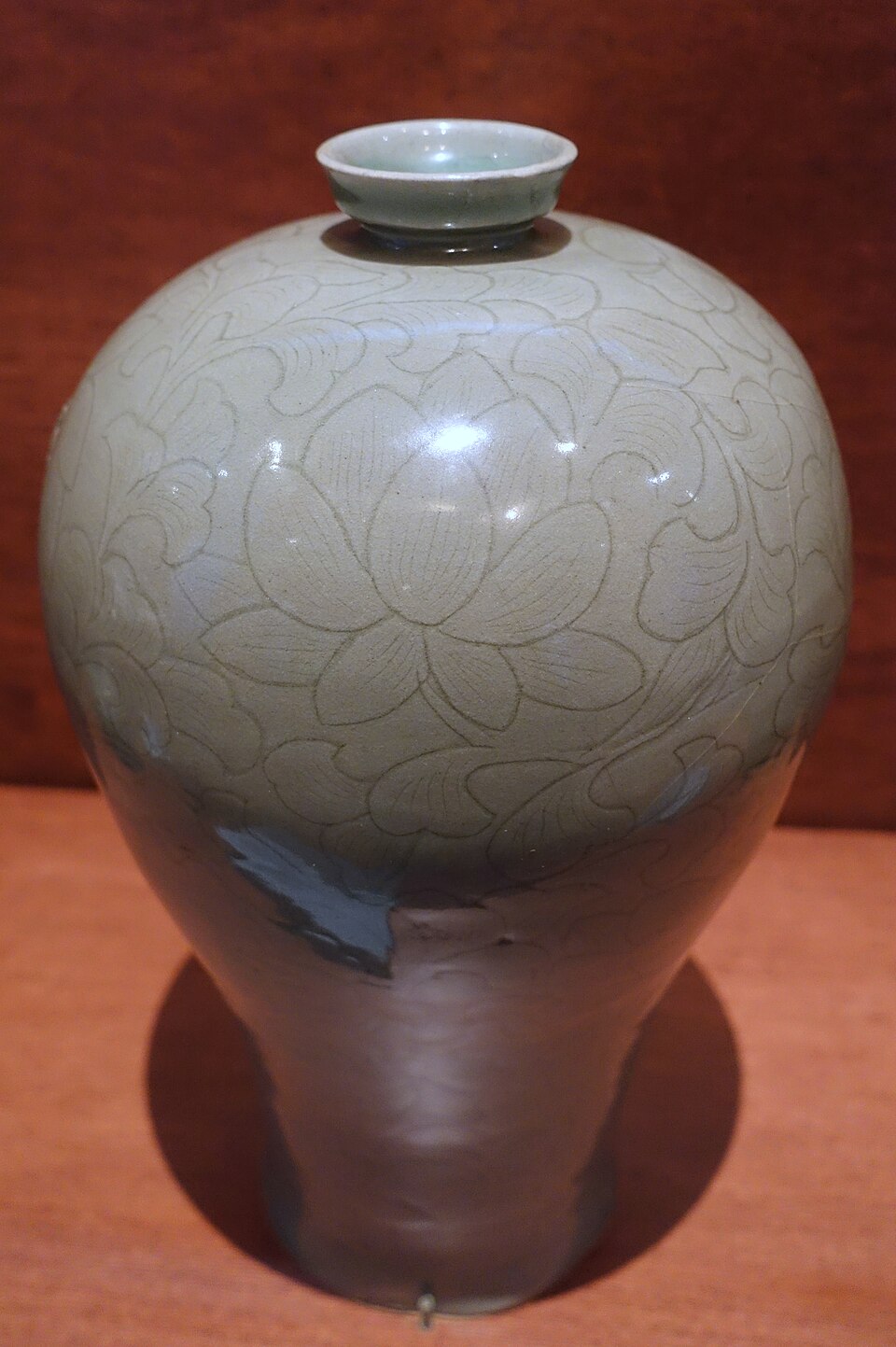
Goryeo was a Buddhist civilization. The Tripitaka Koreana — over 80,000 flawless woodblocks carved in the 13th century as a prayer against the Mongols — is preserved at Haeinsa, a UNESCO site, and the Jikji of 1377 is the world’s earliest surviving book printed with movable metal type, listed in UNESCO’s Memory of the World. Goryeo celadon ceramics are celebrated.
The dynasty repelled the Khitan, with Gang Gam-chan’s victory at Gwiju in 1019, endured six Mongol invasions between 1231 and 1259 and then eighty years under Yuan overlordship, and suffered late-period raids by Japanese pirates known as wako.
End and transition
The general Yi Seong-gye seized power and founded Joseon in 1392.