What happened
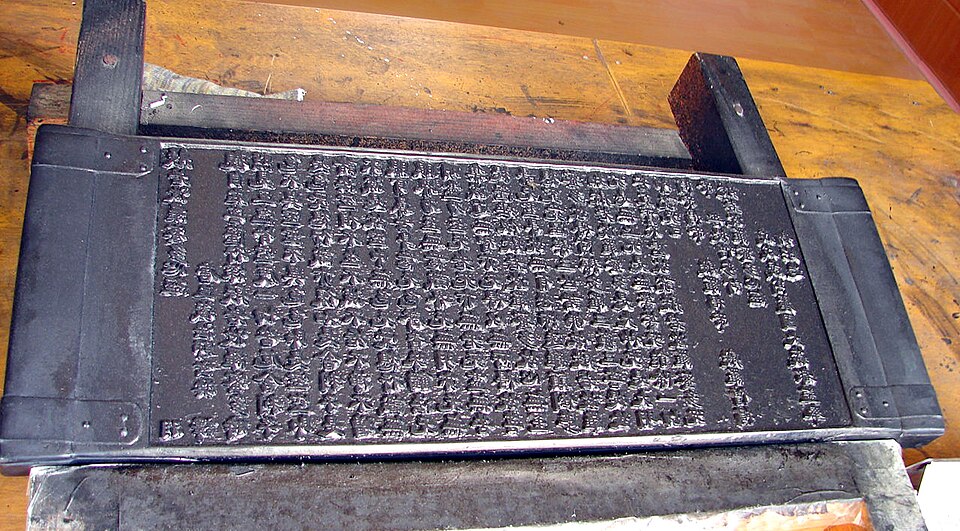
Working on Ganghwa island between 1236 and 1251, the Goryeo court carved the entire Buddhist canon onto 81,258 woodblocks (the standard count). A rigorous editorial process collated Chinese editions, and the blocks — cut from carefully treated wood — are astonishingly uniform and nearly error-free.
Background
An earlier canon, carved in the eleventh century, had burned in the Mongol attack of 1232. Recreating it was an act of devotion, invoking the Buddha’s protection while the dynasty resisted the Mongol invasions.
Consequences
The result was the most complete and accurate East Asian Buddhist canon of its era, still the reference edition for modern scholarship — a monument of faith made under siege. Moved in 1398 to Haeinsa temple, the blocks survive in the Janggyeong Panjeon depository halls (UNESCO World Heritage, 1995), preserved by passive ventilation and humidity control; the blocks themselves entered UNESCO’s Memory of the World register in 2007.