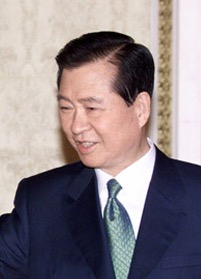
Who they were
South Korea’s great opposition survivor. He nearly beat Park Chung-hee in the 1971 presidential election; in 1973 he was kidnapped from a Tokyo hotel by the Korean CIA and nearly killed, as records document. In 1980 the Chun Doo-hwan junta sentenced him to death on charges linked to the Gwangju uprising; the sentence was commuted under international pressure, and he went into exile.
What they did
Elected president in December 1997 — the first peaceful transfer of power to the opposition in South Korean history — he steered the country out of the 1997–98 Asian financial crisis, repaying the IMF program early. His “Sunshine Policy” of engagement with North Korea produced the first inter-Korean summit, held in Pyongyang in June 2000 with Kim Jong-il, and won him the Nobel Peace Prize that year. Critics have argued the policy and summit involved undisclosed payments and yielded too little. He died in 2009.
Legacy
He embodies South Korea’s democratization; the possibilities and limits of engagement remain debated to this day.