What it was
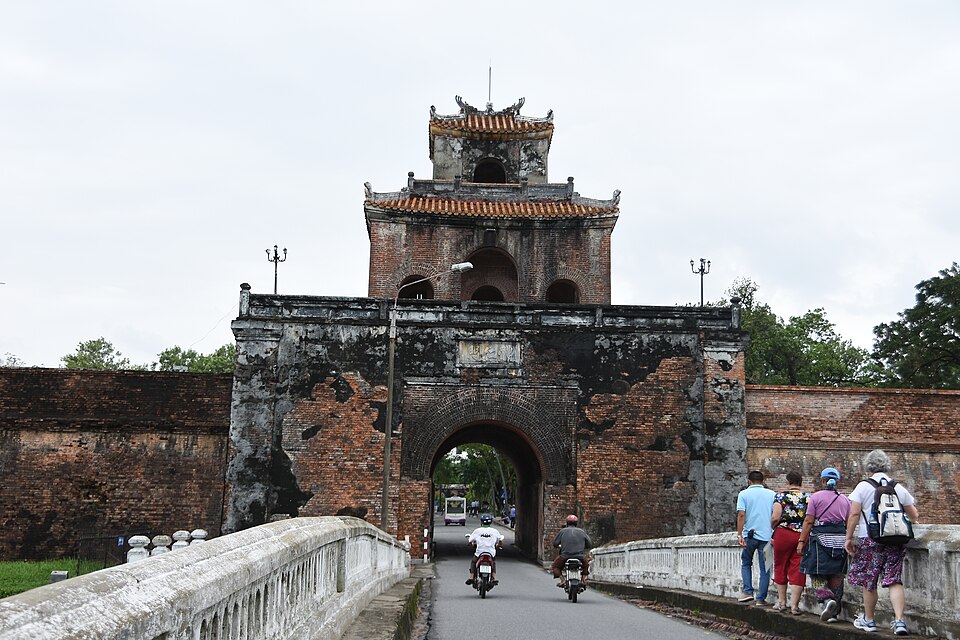
The walled citadel and imperial city of the Nguyễn dynasty at Huế was begun in 1805 under Gia Long and elaborated by his successors. Vauban-style ramparts and moats enclose the imperial enclosure and, at its heart, the Purple Forbidden City reserved for the emperor — a layout that references Chinese imperial models while remaining distinctly Vietnamese.
Role
It served as the seat of thirteen Nguyễn emperors, from Gia Long’s founding of the dynasty until the abdication of 1945.
Fate
War damage was severe, worst in the 1968 battle of Huế during the Tet Offensive, when much of the citadel was destroyed. The Complex of Huế Monuments became Vietnam’s first UNESCO World Heritage site in 1993; restoration continues, and Huế court music (Nha Nhac) is UNESCO-recognized intangible heritage. Today it is Vietnam’s premier monument of the imperial past.