Overview
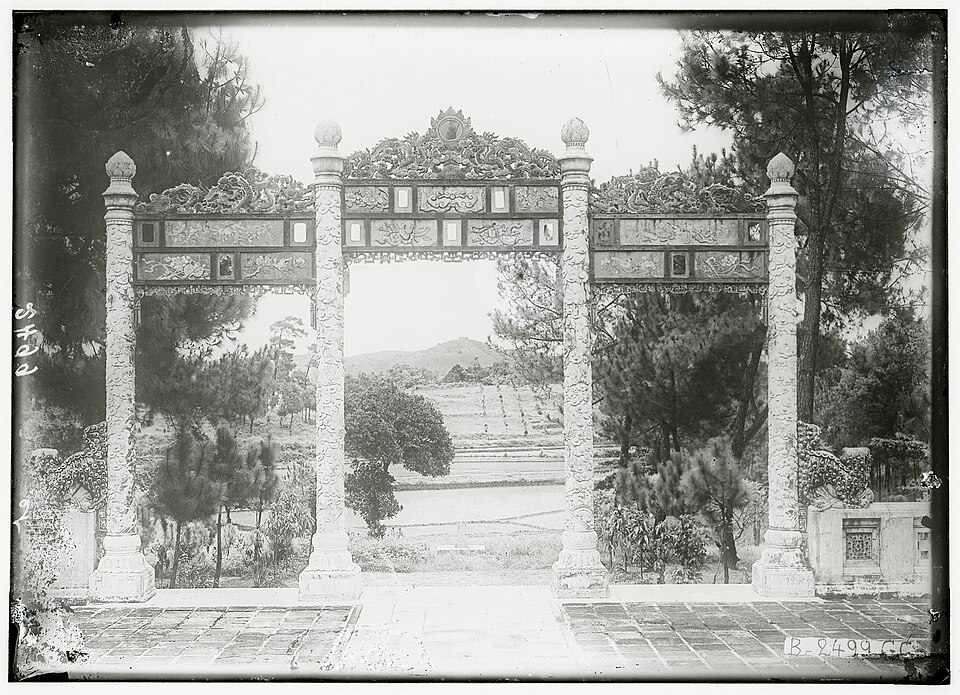
Nguyen Anh, a survivor of the Tay Son destruction of the southern Nguyễn lords, fought back over two decades — aided by volunteers and arms organized by the French bishop Pigneau de Behaine — and unified the whole country in 1802 as Emperor Gia Long. His capital was Huế, whose citadel is now UNESCO World Heritage. The name Viet Nam was adopted in 1804.
Key developments
Minh Mạng centralized the administration and persecuted Christianity, giving France pretexts for attack from 1858. Cochinchina was ceded in 1862 and 1867, and the Huế treaties of 1883–84 made the rest a French protectorate — emperors reigned on without ruling.
End and transition
The last emperor, Bảo Đại, abdicated in August 1945, ending the dynasty and Vietnam’s monarchy.