Home › Home & Kitchen › Kitchen & Dining › Bakeware › Cake Pans How to Grease a Cake Pan Published: July 9, 2026 · Updated: July 9, 2026
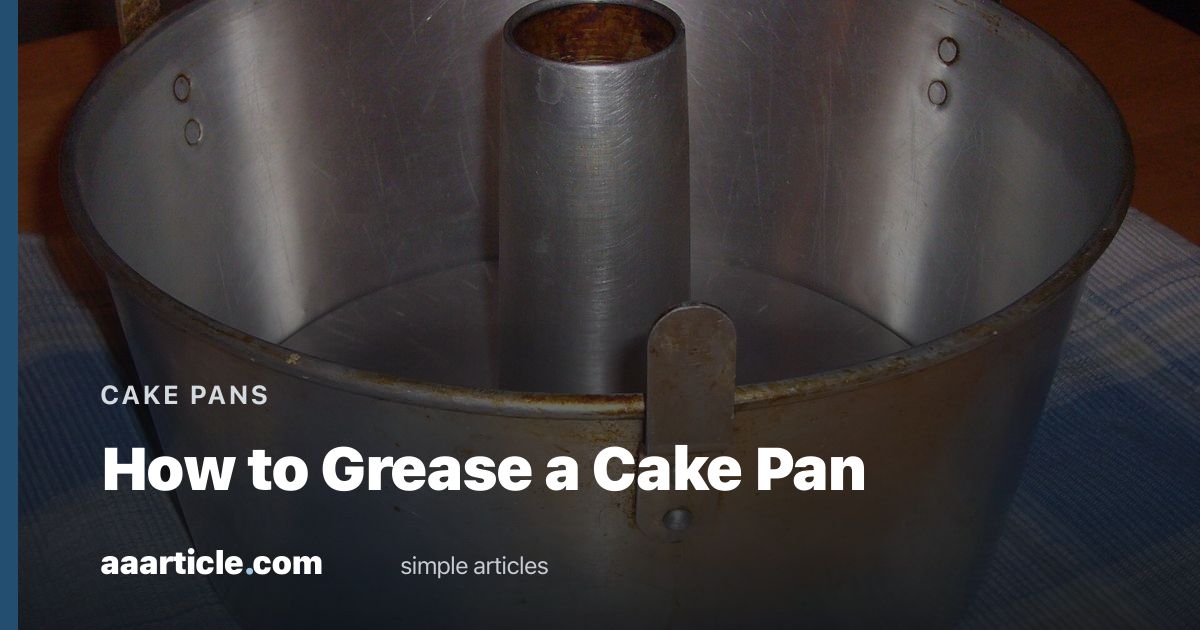
Photo: "giveoften" Public domain Source
Brush or wipe a thin, complete coat of soft butter or oil over the base and up the sides, dust it with flour and tap out the excess, and the cake will release clean. For the surest result, also drop a circle of parchment on the greased base — grease-and-flour or grease-and-line both beat spray for a stuck-prone cake.
Recommended Thin butter or oil everywhere, dust with flour, tap out excess — add a parchment round to be sure — A cake sticks where the batter meets bare metal, so the goal is an unbroken film of fat with a dry layer of flour over it that lets the crust lift away. Use soft (not melted) butter or a neutral oil on a brush, paper towel, or your fingers, and cover the whole inside — base, corners, and all the way up the sides, since batter climbs as it rises. Add a spoon of flour, tilt and tap the pan so it coats the greased surface, then turn it over and knock out what doesn't stick; for a chocolate cake use cocoa powder instead so there's no white film. The belt-and-braces version, and the smart move for springform, bundt, or delicate sponges, is to lay a cut-to-size parchment circle on the greased base (and grease the paper too) — nothing sticks to parchment. No butter? Any neutral oil or a solid shortening works the same way; no parchment? Grease-and-flour alone still releases well. Do it just before you pour, so the coat doesn't slide down the sides, and always cool the cake a few minutes before turning it out.