| Pot | What it does best | Best for | Downside |
|---|---|---|---|
| Regular stainless pot (4–5 L) | Boiling, blanching, everyday soups | Starting with what you already own | Thin base scorches long braises |
| Enameled cast iron (22 cm / about 3.5 L) | Even, gentle heat; stove to oven to table; no seasoning | Braises, stews, no-knead bread | Heavy and pricey; enamel chips if banged |
| Raw cast-iron dutch oven | Same heat retention for less money; takes campfire abuse | Outdoor cooking | Needs seasoning and drying like a skillet |
| Electric pressure / multi cooker | Unattended, set-and-forget cooking | Weeknight stews without watching a stove | Eats counter space; no browning or crisp crust |
Do You Need a Dutch Oven?
Published: ·Updated:
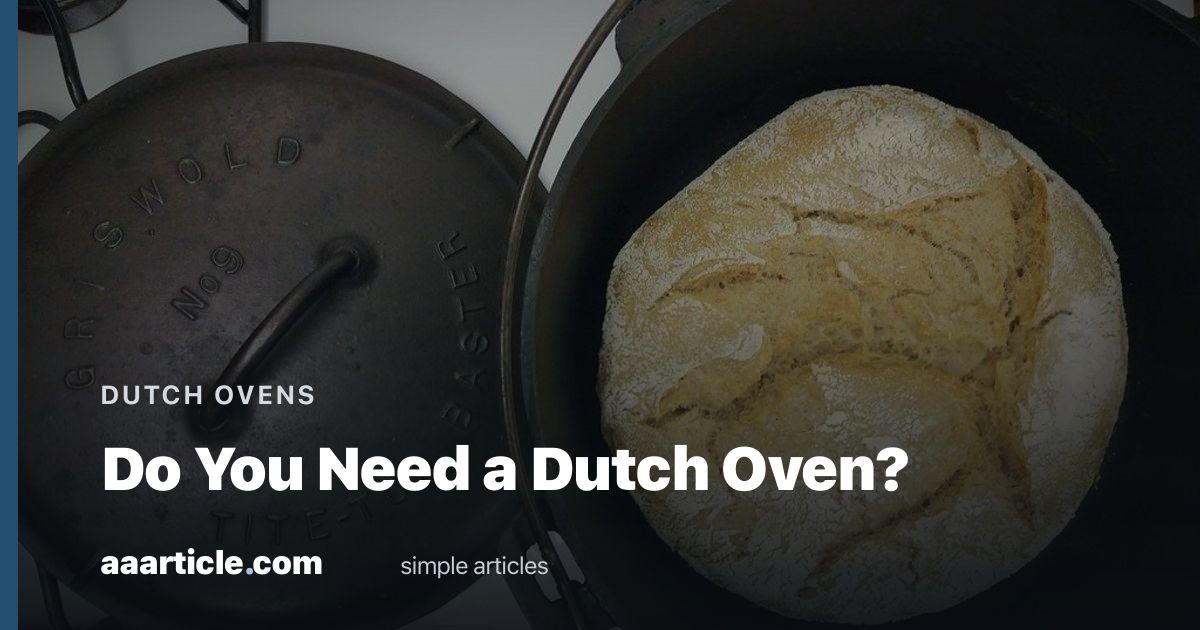
Photo: Nutrition, Food Safety & Health CC0 1.0 Source
Only if you braise, stew, or bake bread at least a few times a month — your regular 4–5 L pot already handles boiling and everyday soups. If you qualify, one 22 cm (about 3.5 L) enameled cast-iron pot is the buy.