| Use | How | Note |
|---|---|---|
| Braise / stew | Sear on medium, lid on, low or 150-160 °C oven | Even, gentle, hands-off |
| No-knead bread | Preheat empty & hot, bake covered then uncovered | Trapped steam makes the crust |
| Soup / beans | Simmer low with the lid on | Holds heat with little fuss |
| Deep-fry | Holds oil temperature steadily | Fill only a third; watch it |
How to Use a Dutch Oven
Published: ·Updated:
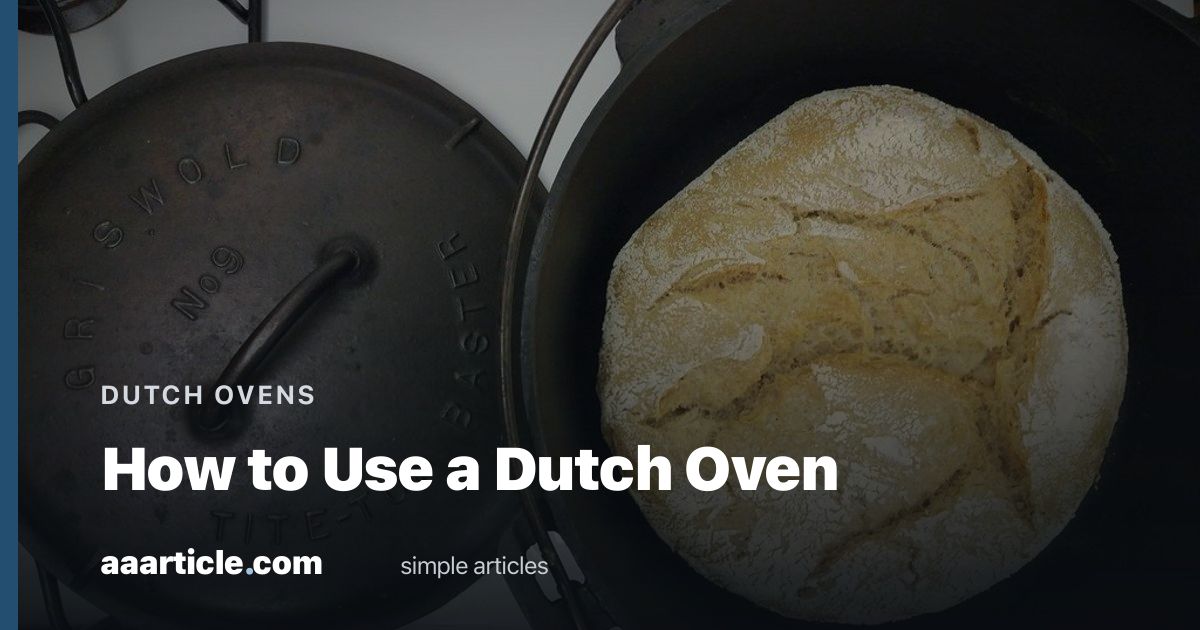
Photo: Nutrition, Food Safety & Health CC0 1.0 Source
Sear on medium heat, then braise low and slow with the lid on — on the stovetop or in a moderate 150-160 °C oven, where its heavy walls hold a gentle, even heat. For no-knead bread, preheat it empty and covered until screaming hot, drop the dough in, and bake covered before finishing uncovered.