Overview
This period has no settled European population, so it is not a period of Australian dress so much as a period in which two clothing systems saw each other briefly and at a distance. Dutch navigators from 1606, then the British, arrived dressed for the North Atlantic and for shipboard discipline; the peoples they met had dressed for this continent for tens of thousands of years.
Key garments and style
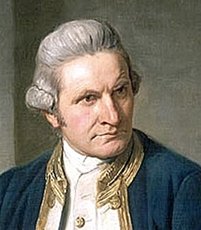
The Europeans wore what their century wore at sea: wool coats and breeches, linen shirts, buckled shoes, and hats — clothing thoroughly unsuited to the tropical north, and a constant subject of complaint in the journals. Naval and merchant service imposed its own regularities well before uniform was formalised.
Indigenous dress was adapted rather than absent, and it varied by country and climate: possum-skin and kangaroo-skin cloaks, sewn with bone awls and worn fur-inward in the cold south-east; string made from bark and human hair worked into belts, headbands and bags; and in the warm north little or no clothing but substantial ornament, body paint and scarification. European observers consistently recorded this as nakedness, which says more about the observers than about what they saw, and those journals are the source most later accounts rest on.
Exchange in this period was minimal. Trepang fishermen from Makassar, visiting the northern coast from at least the eighteenth century, had a longer and more reciprocal contact than any European voyage, and cloth was among the goods they brought.
Transition
The founding of the colony in 1788 changed the terms entirely: European clothing arrived to stay, and was soon imposed — on convicts as uniform, and on Aboriginal people through missions and rations, where the blanket and the issued shirt became instruments of control.