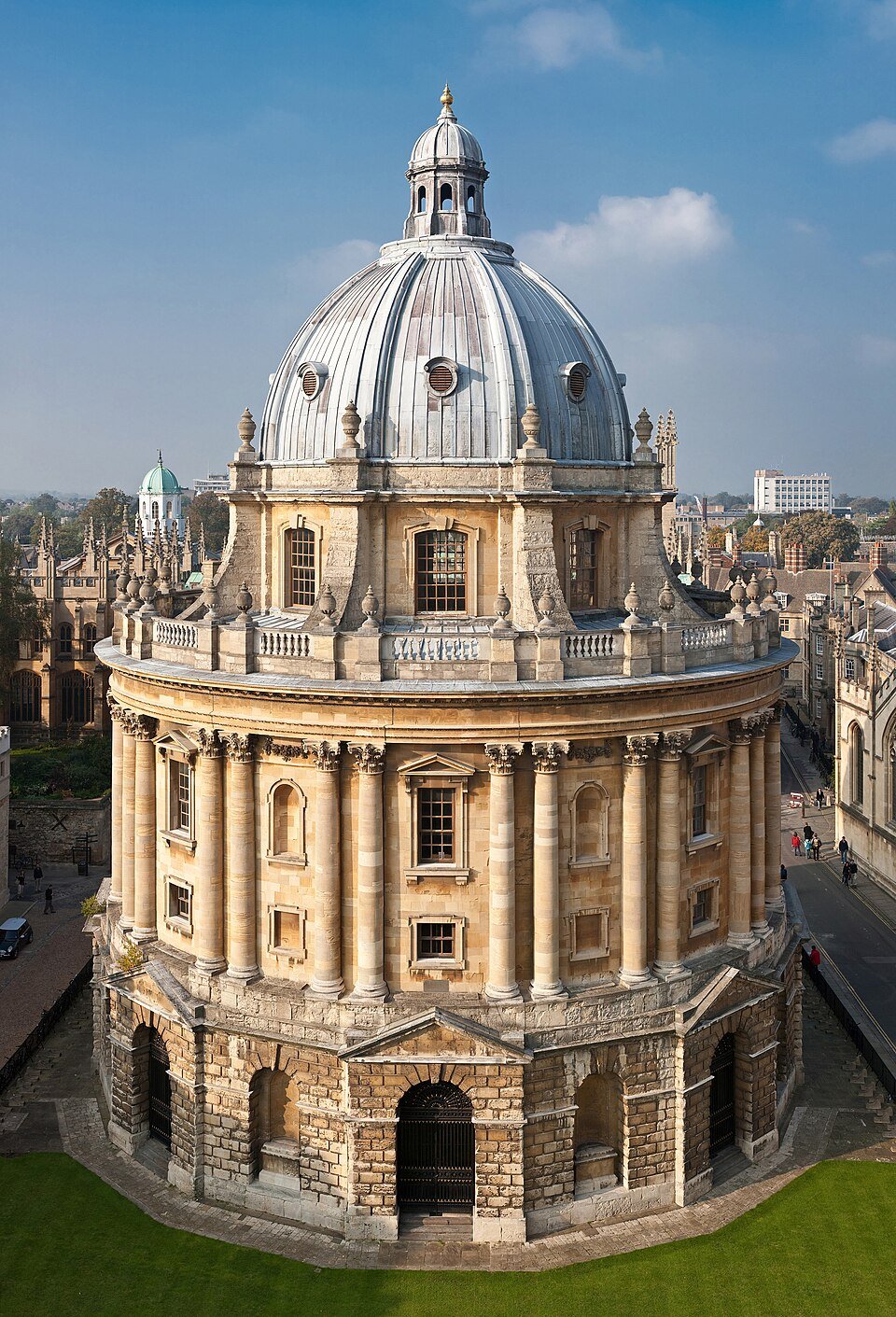
What it was
Teaching existed at Oxford by about 1096 and grew rapidly from 1167, when, by tradition, Henry II barred English students from Paris. The medieval university taught the liberal arts, theology and law under church oversight, and its earliest colleges — University, Balliol and Merton — appeared in the mid-13th century, setting the collegiate pattern that still defines it.
Role
Oxford trained the clergy, lawyers and statesmen of medieval and early modern England and was drawn into its conflicts: Wycliffe taught there, the Protestant martyrs Cranmer, Latimer and Ridley were burned in Oxford under Mary I, and the city served as Charles I’s capital during the Civil War. The university reformed itself in the Victorian era, opening fellowships to non-Anglicans, admitting women’s colleges from 1879 — with full degrees for women from 1920 — and building the scientific schools where, among much else, penicillin was developed for clinical use in 1940–41.
Fate
Oxford remains one of the world’s leading universities, a federation of self-governing colleges gathered around the Bodleian Library and the oldest university press in continuous operation. Its alumni include some thirty British prime ministers and leading figures in every field of learning, from John Locke and Christopher Wren to Tim Berners-Lee.