Overview
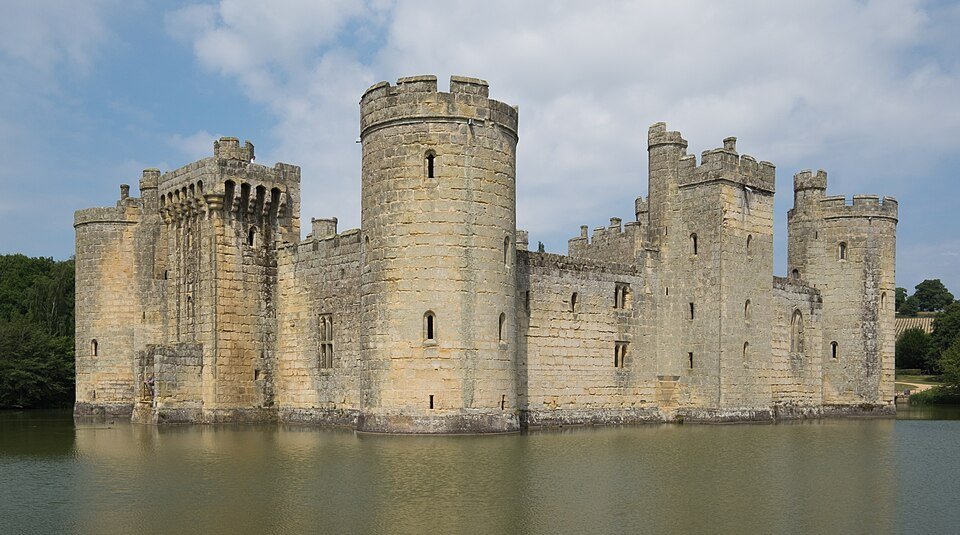
William the Conqueror imposed Norman rule, castles, and the Domesday survey (1086). The Plantagenets built the common law under Henry II, and baronial revolt forced John to seal Magna Carta in 1215; by the late thirteenth century Parliament included knights and burgesses.
Key developments
The fourteenth century brought the Hundred Years’ War with France and the Black Death of 1348, which killed perhaps a third or more of England’s people and shook the feudal order — the Peasants’ Revolt followed in 1381. English displaced French among the elite, the age of Chaucer.
End and transition
Dynastic struggle between Lancaster and York — the Wars of the Roses (1455–1485) — ended when Henry Tudor defeated Richard III at Bosworth in 1485, opening the Tudor age.