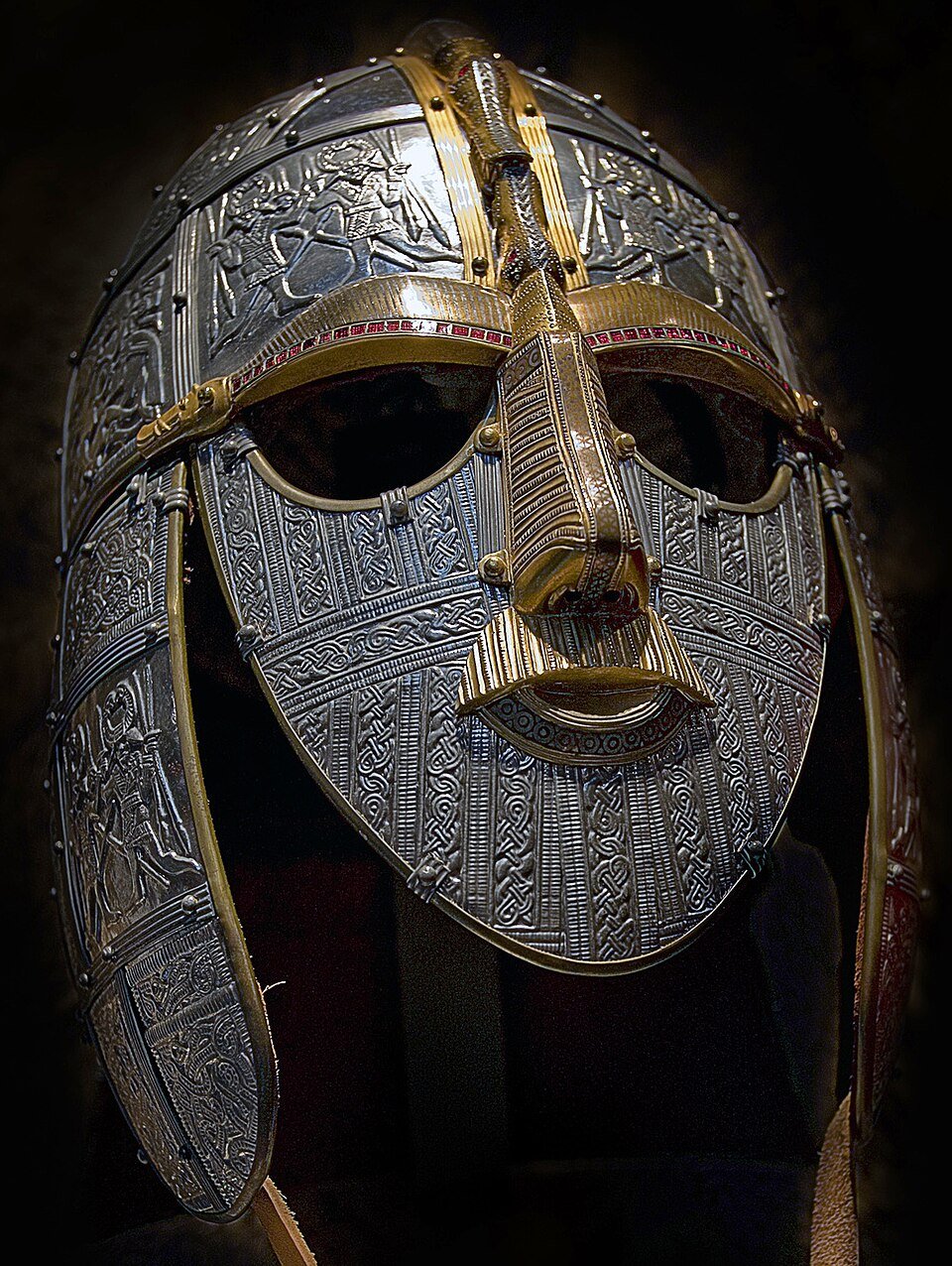
Overview
Angles, Saxons, and Jutes settled eastern Britain from the fifth century, forming rival kingdoms — Northumbria, Mercia, Wessex, and others. Augustine’s mission from Rome (597) began their conversion, and monasteries became centers of learning.
Key developments
Viking raids opened at Lindisfarne in 793 and grew into conquest; Alfred the Great of Wessex (r. 871–899) held the line and his heirs won back the Danelaw, with Æthelstan ruling a united England by 927. Cnut of Denmark later ruled England within a North Sea empire (1016–1035).
End and transition
Edward the Confessor’s death in January 1066 left rival claims. Harold Godwinson defeated a Norwegian invasion at Stamford Bridge but fell to William of Normandy at Hastings that October, ending the Anglo-Saxon era.