Overview
Early Islamic Egypt runs from the Arab conquest led by Amr ibn al-As (639–642) to the moment the mamluks seized power in 1250. The conquest was followed by the founding of the garrison city of Fustat (641/642), whose Mosque of Amr is often called the first mosque in Africa. Egypt was then governed successively for the Rashidun, Umayyad, and Abbasid caliphates.
Key developments
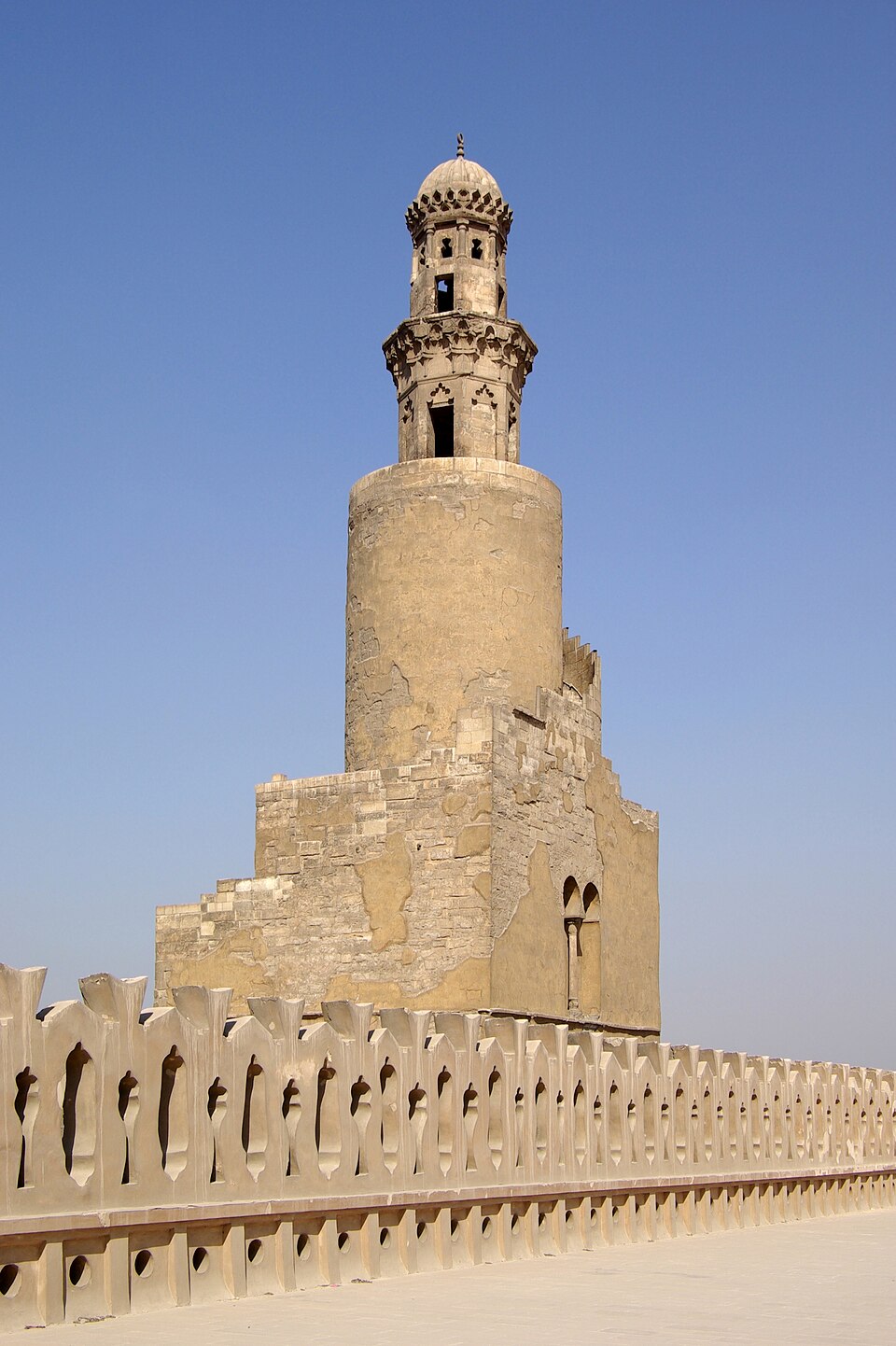
In time, autonomous local dynasties emerged: the Tulunids (868–905), whose Ibn Tulun mosque still stands in Cairo, and then the Ikhshidids. In 969 the Fatimids — a Shia (Ismaili) caliphate from North Africa — conquered Egypt, founded Cairo (al-Qahira) as their capital, and established the al-Azhar mosque in 970. Fatimid Egypt prospered on the trade linking the Red Sea and the Mediterranean. Over these centuries the population gradually Arabized and Islamized, while Coptic Christians remained a large community.
End and transition
In 1171 Saladin ended the Fatimid caliphate, restored Sunni Islam, founded the Ayyubid dynasty, and began building the Cairo Citadel. The Ayyubids fought off Crusader attacks on Egypt. The era ended in 1250, when the mamluk slave-soldiers overthrew the Ayyubids.