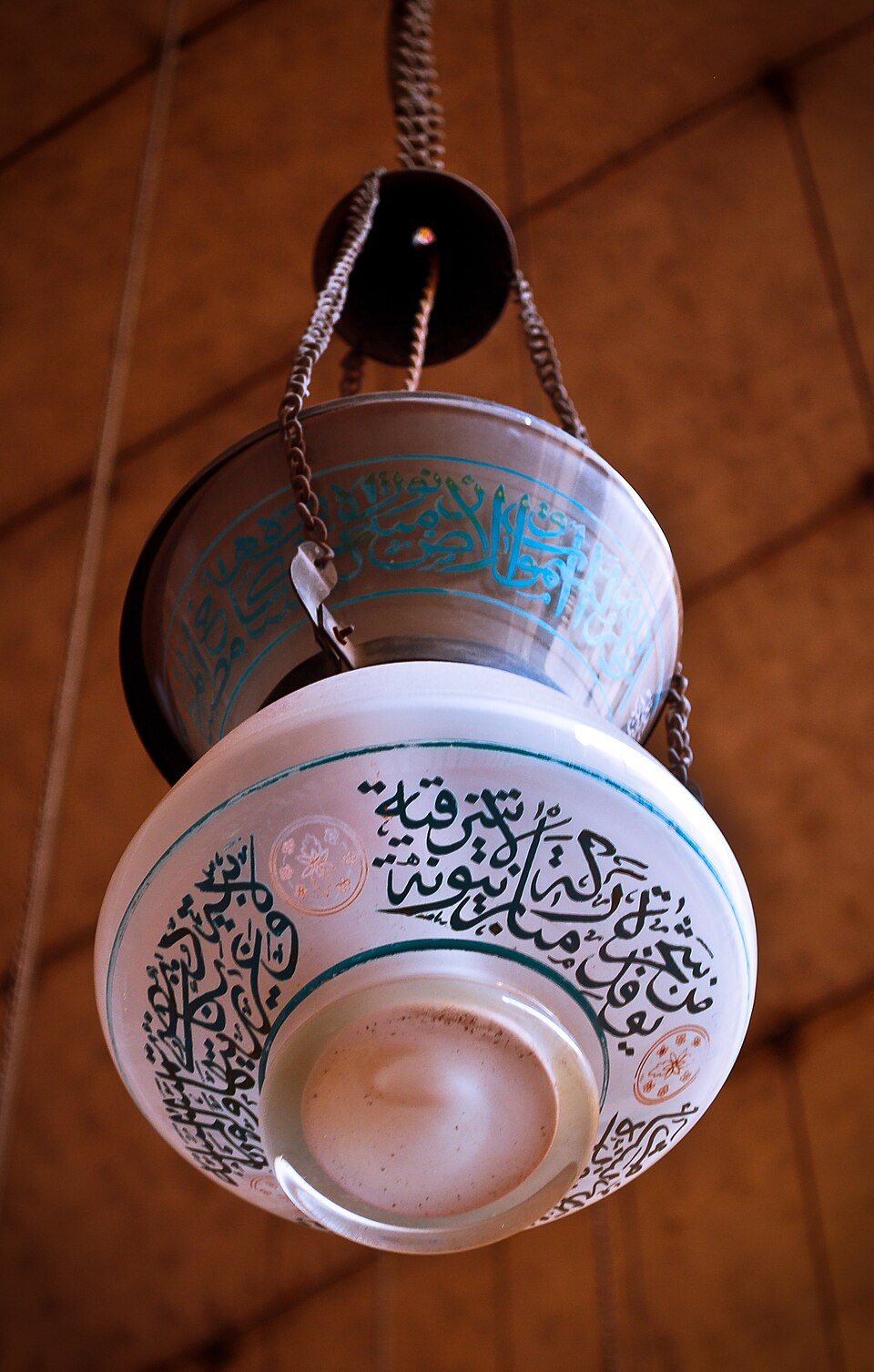
Overview
From 1250 to 1517 Egypt was ruled by mamluks, elite soldiers of slave origin — largely Turkic (Kipchak), later Circassian — trained in Egypt. The sultanate is divided into the Bahri period (1250–1382) and the Burji period (1382–1517).
Key developments
In 1260, at the Battle of Ain Jalut in Palestine, the sultan Qutuz and the general Baibars defeated the Mongols — among the first major defeats to halt the Mongol advance in the region. Baibars (r. 1260–77) rolled back the Crusader states, taking Antioch in 1268 (Acre fell to a successor in 1291), and installed a surviving Abbasid as a figurehead caliph in Cairo. Cairo peaked as a metropolis of the Islamic world: a center of the spice trade between Asia and Europe, of scholarship — Ibn Khaldun taught and served as a judge there — and of architecture, from the mosque of Sultan Hasan to Qaitbay’s monuments.
End and transition
From 1348 the Black Death repeatedly devastated Egypt’s population and economy, and the Portuguese discovery of the Cape route around 1500 undercut the spice trade — contributing pressures on the sultanate. In 1517 the Ottoman sultan Selim I defeated the Mamluks and made Egypt an Ottoman province. The mamluks survived as a local ruling class under the Ottomans.