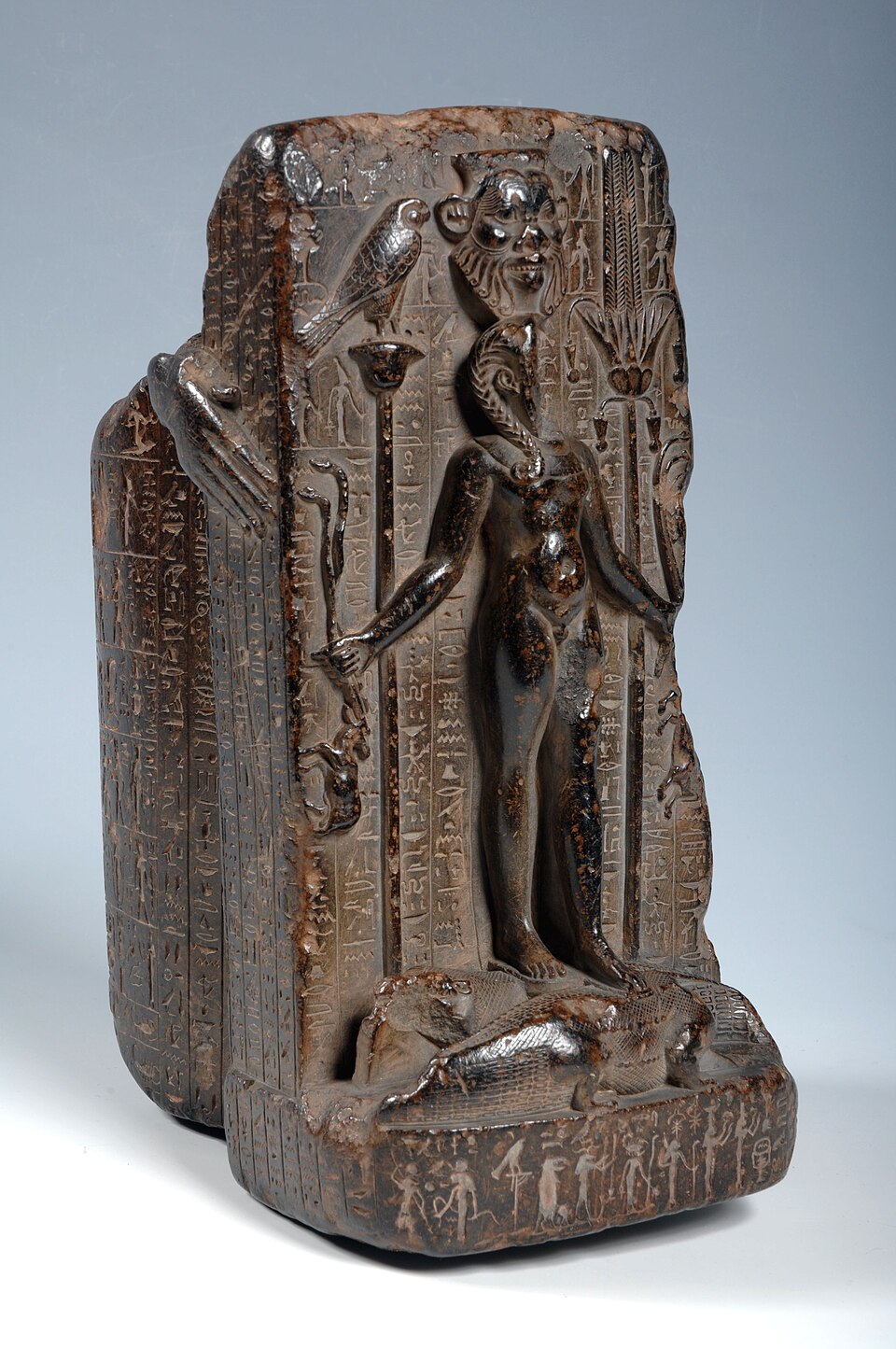
Overview
The Late Period (664–332 BC) covers the 26th–31st Dynasties, the last era of native pharaonic rule. Under the 26th (Saite) Dynasty, ruling from Sais, Psamtik I reunified Egypt, and the country saw an economic and cultural revival, with a deliberate archaism in art that looked back to the Old Kingdom. Greek traders and mercenaries were welcomed, with Naukratis as their trading town.
Key developments
In 525 BC the Persian king Cambyses II conquered Egypt at the Battle of Pelusium, and the country became a Persian satrapy, counted as the 27th Dynasty. Revolts followed repeatedly, and Egypt regained its independence from 404 to 343 BC under the 28th–30th Dynasties. Nectanebo II was the last native Egyptian pharaoh.
End and transition
A brief second Persian conquest followed in 343–332 BC. The period ended in 332 BC, when Alexander the Great took Egypt from the Persians.